
Understanding Outpatient Rehab
In exploring the various aspects of outpatient rehab, it’s crucial to understand its definition and the benefits it offers. Outpatient rehab is a flexible yet effective type of treatment for substance use disorders, enabling patients to maintain their daily lives while receiving the care they need.
Definition of Outpatient Treatment
Outpatient treatment is a form of alcohol or drug rehabilitation that allows patients to live at home while continuing to work or attend school (American Addiction Centers). Patients typically visit a treatment center, hospital, mental health clinic, or behavioral counselor at scheduled times during specific hours and days of the week.
There are several levels of outpatient rehab:
- Standard Outpatient Programs (OP): Less intensive, suitable for those with mild substance use disorders.
- Intensive Outpatient Programs (IOP): More frequent sessions often catering to those needing more support.
- Partial Hospitalization Programs (PHP): Provide a high level of care, almost equivalent to inpatient services but allowing patients to return home at night.
Some programs offer evening and weekend sessions to accommodate personal and professional responsibilities. For more insights, visit our section on outpatient drug rehab near me.
Benefits of Outpatient Rehab
Outpatient rehab offers numerous advantages, making it a viable option for many individuals seeking recovery:
- Flexibility: Patients can maintain their daily routines, including work and family commitments.
- Cost-Effective: Generally, outpatient rehab is more affordable than inpatient care. Estimated costs range between $5,000 and $10,000 per treatment stay (American Addiction Centers).
- Accessibility: Evening and weekend sessions make it easier for patients to fit treatment into their schedule.
- Gradual Transition: It’s an excellent step-down option for those who have completed inpatient rehab and require continued support.
- Diverse Services: Programs often include individual and group counseling, family therapy, educational sessions, and more (American Addiction Centers).
| Program Type | Frequency of Sessions | Intensity Level |
|---|---|---|
| Standard Outpatient Programs | 1-3 times a week | Low |
| Intensive Outpatient Programs | 3-5 times a week | Moderate |
| Partial Hospitalization Programs | 5-7 times a week | High |
For more information on different types of rehab programs and to find the best fit, you may refer to drug rehab near me what to expect and how to choose.
Outpatient rehab is a flexible, accessible, and effective treatment option for individuals seeking recovery from substance use disorders. With various levels of care and the ability to maintain daily responsibilities, outpatient programs offer a balanced approach to achieving long-term sobriety.
Transitioning After Inpatient Care
Transitioning from inpatient care to everyday life can be a challenging phase in the recovery journey. Aftercare plays a crucial role, providing ongoing support and guidance that are vital for maintaining sobriety.
Importance of Aftercare
Aftercare is an essential component of the rehabilitation transition. It offers continued support and guidance beyond the initial treatment phase. Aftercare includes ongoing counseling, group therapy sessions, and educational workshops to reinforce the skills learned in rehab and prevent relapse.
Outpatient rehab allows you to continue your normal daily activities and can be scheduled around work or school hours, offering flexibility while providing a high standard of care (The Recovery Village). For instance, counseling and group therapy sessions can be arranged in the evenings or weekends, making it easier to balance rehab with other commitments.
Aftercare plans are designed to support you as you transition from intensive treatment back into daily life. These plans feature strategies to handle triggers, maintain healthy routines, and continuously build on the skills learned during inpatient rehab. Explore more on how aftercare planning helps in maintaining long-term sobriety.
| Aspect | Description |
|---|---|
| Counseling | Regular individual or group therapy sessions. |
| Support Groups | Meetings with peers for shared experiences and encouragement. |
| Workshops | Educational sessions to build coping skills. |
| Telehealth | Remote therapy sessions for added convenience. |
Building a Support Network
Building a strong support network is another key element in the transition after inpatient care. Having a robust support system can significantly increase the chances of sustained recovery.
You are encouraged to actively participate in support groups, which offer an invaluable source of emotional and practical guidance. These groups provide a space to share experiences, gain insights from others who have been through similar journeys, and develop a sense of community. Check out our resources on supporting a loved one in outpatient rehab for more information.
Establishing communication channels with friends and family also helps in creating a safe and encouraging environment. By involving loved ones in the recovery process, you can ensure that they understand how to support you effectively. For family members wanting to know more about their role, see our guide on what happens after rehab ends.
| Support System | Benefits |
|---|---|
| Support Groups | Shared experiences, emotional support. |
| Family | Continuous encouragement, practical help. |
| Friends | Social activities, distractions from triggers. |
| Counselors | Professional guidance, relapse prevention strategies. |
Understanding the differences between inpatient and outpatient rehab is crucial for making informed decisions. While inpatient rehab offers 24/7 care in a controlled environment, outpatient therapy provides the flexibility to maintain jobs, attend school, or manage family responsibilities.
For more detailed information on types of outpatient programs, visit our article on outpatient drug rehab near me flexible recovery options.
Components of Outpatient Rehab
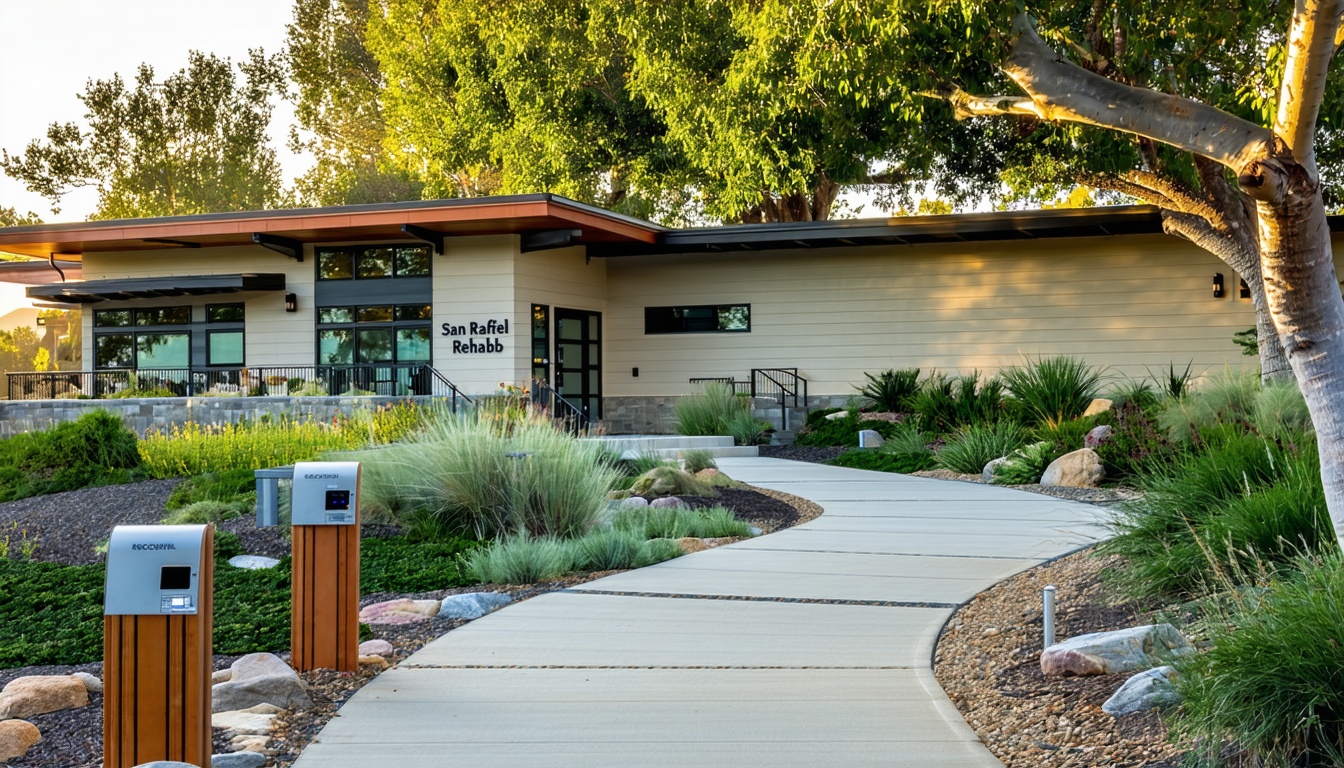
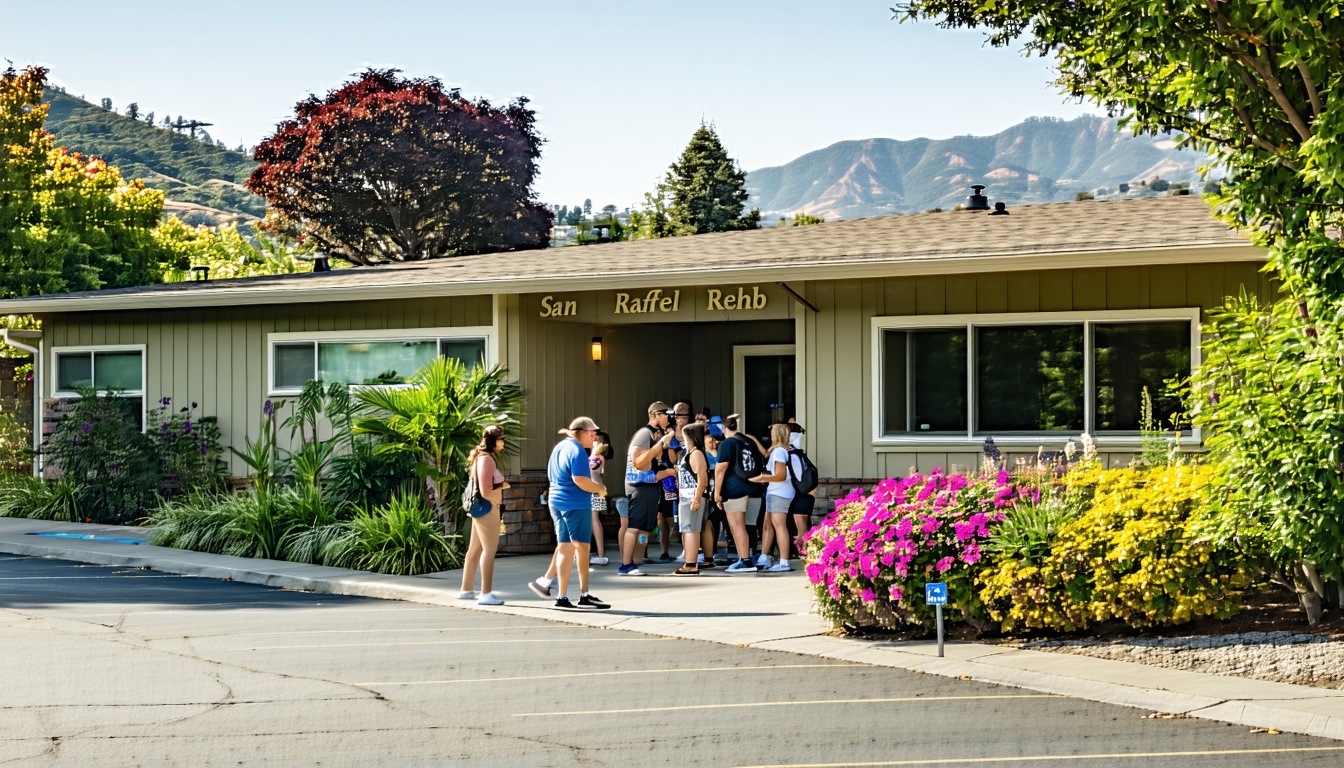
Understanding the components of outpatient rehab is crucial for making an informed decision about treatment options. Outpatient rehab programs, such as those offered by San Rafael Rehab, provide a comprehensive array of therapeutic interventions and support services designed to address the unique needs of individuals undergoing recovery.
Therapeutic Interventions
Outpatient addiction treatment encompasses various therapeutic interventions aimed at developing healthy coping mechanisms and addressing the root causes of substance use disorders. According to the American Addiction Centers, these interventions include:
- Group Counseling: Facilitates peer support and shared experiences.
- Individual Counseling: Provides one-on-one attention to personal issues.
- Family Therapy: Involves family members to improve communication and relations.
- Education Sessions: Educates patients about addiction and coping strategies.
- Occupational or Recreational Therapy: Enhances life skills and interests.
Therapeutic sessions are vital in developing coping skills. These sessions can be conducted individually or in groups, focusing on issues like loss, substance use, and relationship problems. The goal is to understand the underlying causes of behaviors and facilitate positive changes.
Support Services
Support services are a fundamental component of outpatient rehabilitation, ensuring a well-rounded approach to recovery. These services include:
- Medication Management: Essential for managing certain mental health or substance use disorders. Medications like methadone, buprenorphine, and naltrexone are approved for treating opioid use, while specific medications are available for alcohol and tobacco use disorders (SAMHSA).
- Case Management: Helps coordinate various aspects of care, including medical and social services.
- Peer Support: Provides encouragement and companionship from those with similar experiences.
- Referral Services: Connects patients with community resources, such as housing, employment, and education assistance.
The combination of therapeutic interventions and support services in an outpatient setting offers a flexible yet effective route to recovery, suitable for different stages of treatment.
For more information on outpatient programs and their benefits, check out our detailed breakdown of outpatient drug rehab services near me. If you’re considering a different program, you might also find our comparison of outpatient vs inpatient rehab pros and cons useful.
By understanding these components, you can make an informed choice about whether outpatient rehab is the right fit for you or your loved one.
Types of Outpatient Programs
When exploring outpatient drug rehab near me, it’s crucial to understand the different types of programs available. Two of the most common and effective types are Intensive Outpatient Programs (IOP) and Partial Hospitalization Programs (PHP).
Intensive Outpatient Programs (IOP)
Intensive Outpatient Programs (IOP) are designed for individuals who need a more structured treatment schedule but do not require 24/7 supervision. According to Addiction Center, IOPs typically consist of three hours of treatment per day, three to five days a week. These sessions focus on relapse prevention, psychoeducation, and both individual and group counseling to promote long-term recovery.
IOPs offer the flexibility to continue with daily life activities such as work and family responsibilities while receiving the necessary treatment. By spending less time in a structured environment compared to inpatient care, individuals can gradually transition back to their normal routines while still having access to essential support.
| Program Type | Duration (hours per week) | Days per Week |
|---|---|---|
| IOP | 9-15 | 3-5 |
For more on how outpatient care compares to inpatient options, check our article on outpatient vs inpatient rehab pros and cons.
Partial Hospitalization Programs (PHP)
Partial Hospitalization Programs (PHP) offer a higher level of care than IOPs but still allow individuals to live at home. PHPs typically require more intensive engagement, often involving treatment sessions that last for six or more hours per day, five to seven days a week. These programs are highly structured and provide a comprehensive blend of medical and therapeutic support.
According to American Addiction Centers, PHPs are beneficial for individuals who require significant support and oversight but do not need round-the-clock care. This includes extensive psychotherapy, medical evaluations, medication management, and educational sessions about addiction and recovery.
| Program Type | Duration (hours per week) | Days per Week |
|---|---|---|
| PHP | 30+ | 5-7 |
For guidance on maintaining progress during less intensive phases of recovery, see our article on how to support a loved one in outpatient drug rehab.
Choosing the right program is crucial for successful recovery. To determine the best fit for your needs, consider factors like the severity of the addiction, co-occurring mental health conditions, and your daily responsibilities. For more detailed insight, explore our resource on finding the right rehab for alcoholics near me.
By understanding the various types of outpatient programs, you can better navigate your options and select a program that aligns with your recovery goals. Whether you opt for an IOP or PHP, both types offer valuable pathways to lasting sobriety. If you’re ready to take the next step, you might consider checking outpatient alcohol rehab programs what’s included or outpatient detox programs near me finding local help.
Factors Influencing Outpatient Treatment
Duration of Treatment
The duration of outpatient rehab varies significantly based on individual needs. Typically, outpatient treatment ranges from 3 to 6 months for mild cases but can extend beyond a year for more severe cases. Several factors influence the length of outpatient treatment, including:
- Severity of Substance Misuse: More severe cases of addiction usually require longer treatment durations.
- Progress in the Program: Treatment plans may be adjusted based on how well an individual is responding to therapy and other interventions.
- Co-occurring Health Issues: The presence of mental health disorders or other medical conditions can extend the duration of treatment.
- Relapses: Any relapse may necessitate extending the treatment period or incorporating additional therapeutic interventions.
This flexibility allows outpatient programs to be tailored to meet the unique needs of each individual, ensuring that everyone receives the appropriate level of care.
Key Factors Influencing Treatment Duration:
| Factor | Impact on Duration |
|---|---|
| Severity of Substance Misuse | Longer Duration |
| Progress in the Program | Can Shorten or Lengthen Duration |
| Co-occurring Health Issues | Lengthens Duration |
| Relapses | May Extend Duration or Add Extra Components |
For more detailed information, consider visiting our article on outpatient drug rehab near me flexible recovery options.
Cost Considerations
Cost is another significant factor influencing outpatient treatment. The cost is generally lower than inpatient rehab, making it an attractive option for many individuals and families. However, several variables influence the overall cost:
- Type of Outpatient Program: Intensive Outpatient Programs (IOPs) and Partial Hospitalization Programs (PHPs) tend to be more expensive due to the higher level of care provided.
- Therapeutic Interventions: The number and type of therapies needed, including individual counseling, group therapy, and specialized treatments, can affect costs.
- Duration of Treatment: Longer treatment durations naturally increase the expense.
- Geographic Location: Costs can vary based on the region’s standard of living and the specific facility.
Estimated Cost Ranges for Outpatient Programs:
| Program Type | Estimated Cost (Per Month) |
|---|---|
| Basic Outpatient Care | $1,500 – $3,000 |
| Intensive Outpatient Programs (IOP) | $3,000 – $10,000 |
| Partial Hospitalization Programs (PHP) | $7,000 – $20,000 |
For a detailed breakdown of costs, visit how much does rehab cost inpatient vs outpatient breakdown.
Numerous outpatient programs offer payment plans, sliding scale fees, and accept insurance. It’s crucial to inquire about these options to make treatment as affordable as possible. Understanding the potential costs and exploring different payment methods can help make the right decision for you or your loved one.
For more on outpatient rehab options, see outpatient alcohol rehab programs what’s included and finding the right rehab for alcoholics near me.
Outpatient Treatment Effectiveness
Comparison with Inpatient Care
Choosing between inpatient and outpatient rehab can be a pivotal decision in one’s recovery journey. Here is a comparison between the two:
| Attribute | Inpatient Rehab | Outpatient Rehab |
|---|---|---|
| Living Arrangements | Patients stay at the facility | Patients live at home |
| Daily Commitment | 24/7 structured care and supervision (Inpatient Drug Rehab | Flexible hours, allows for work/school |
| Flexibility | Limited | High (Outpatient Drug Rehab) |
| Cost | Higher due to accommodation and meals (How Much Does Rehab Cost) | Lower, more cost-effective |
| Social Support | Limited external social interaction | Patients can maintain relationships with family and friends (Detox Centers) |
| Privacy | Less privacy due to shared living space | High privacy, no need to explain absence |
| Applicability | Suitable for severe addiction | Suitable for mild to moderate addiction |
| Therapeutic Strategies | Intensive individual and group therapies | Varies, includes telehealth options (The Recovery Village) |
Successful Outcomes and Correlations
Outpatient rehab can be just as effective as inpatient care, particularly when it comes to long-term recovery. Several factors contribute to the success of outpatient programs:
-
Flexibility: The ability to schedule treatment around daily activities such as work or school makes outpatient rehab a practical option for many. It allows individuals to apply their coping skills in real-time, helping solidify their recovery.
-
Cost-Effective: Outpatient programs typically cost less than inpatient programs, making them more accessible to a larger population. The reduced financial burden allows for a longer duration of care if needed, improving the chances of sustained recovery (American Addiction Centers).
-
Support Systems: Maintaining contact with family and friends can provide essential emotional support. Building a strong network is a key factor in successful outpatient treatment.
-
Customization: Outpatient programs often provide individualized treatment plans that cater to the specific needs of the patient. Various therapeutic interventions and support services can be integrated, such as Intensive Outpatient Programs (IOP) or Partial Hospitalization Programs (PHP) (Addiction Center).
For those considering outpatient rehab, understanding what it involves and how it compares to inpatient treatment is crucial. Begin your journey to recovery by exploring more about outpatient program options and finding the best fit for you or your loved one. Additionally, learn about the effectiveness of inpatient treatment, and explore if it’s the best option for your recovery journey.