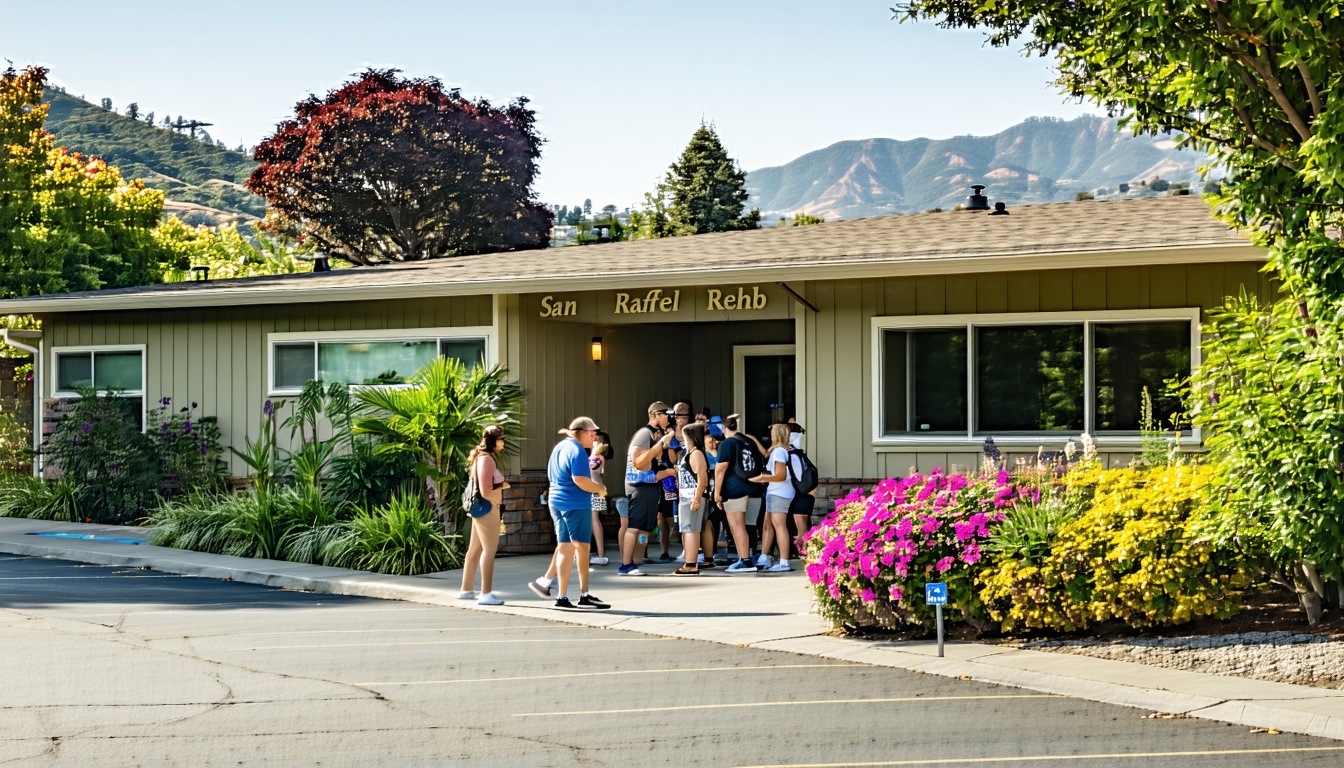

Why Choose San Rafael Rehab
San Rafael Rehab offers comprehensive and effective solutions for those seeking a path to recovery from drug and alcohol addiction. Here’s why you should consider this rehab center for your treatment needs.
Residential Drug and Alcohol Services
San Rafael Rehab excels in providing top-notch residential treatment centers for substance use disorders. Their residential services offer 24/7 care, ensuring that you receive the support you need around the clock. This immersive environment is especially beneficial for those tackling severe addiction issues or for those who might not have a supportive home environment.
| Service | Description | Availability |
|---|---|---|
| Detoxification | Medically supervised detox process for safe withdrawal | 24/7 |
| Therapy | Individual and group therapy sessions | Daily |
| Medical Care | On-site healthcare professionals for medical supervision | 24/7 |
| Recreational Activities | Structured and therapeutic activities | Weekly |
In addition, the center specializes in dealing with addictions to drugs like Klonopin, Xanax, or Valium. This ensures a focused and effective treatment plan for individuals suffering from these specific dependencies (True Life Wellbeing).
Tailored Treatment Plans
One of the standout features of San Rafael Rehab is their commitment to creating tailored treatment plans. Recognizing that each individual’s journey to recovery is unique, the center develops personalized plans designed to address your specific needs and circumstances.
Their holistic approach includes:
- Personalized Schedules: Treatment plans are crafted to fit your daily routine, ensuring you can balance recovery with day-to-day responsibilities (True Life Wellbeing).
- Face-to-Face Interactions with Medical Professionals: Regular meetings with doctors and counselors to monitor progress and make necessary adjustments.
- Comprehensive Care: Addressing co-occurring conditions such as depression, anxiety, and trauma (dual diagnosis treatment).
By choosing San Rafael Rehab, you are investing in a program that adapts to your needs, providing you with the best chance at a successful recovery. For more information about what to expect during residential treatment, visit our page on what happens in a residential drug and alcohol treatment program.
San Rafael Rehab is dedicated to transforming lives with the help of compassionate and skilled professionals. Whether you require intensive inpatient care or flexible outpatient options, the center’s diverse offerings ensure that you receive the care that suits you best.
Outpatient Programs Overview
San Rafael Rehab provides a comprehensive approach to addiction recovery through flexible outpatient programs. These programs are designed to cater to your needs while allowing you to maintain your daily responsibilities.
Variety of Treatment Options
Outpatient programs at San Rafael Rehab offer an array of treatment options to support your unique recovery journey. Some of the key services provided include:
- Group Counseling: Engage with peers facing similar challenges in a supportive environment.
- Individual Therapy: Receive personalized care and one-on-one support from professional counselors.
- Family Therapy: Involve family members in your recovery process, fostering a supportive home environment.
- Education Sessions: Gain valuable knowledge about addiction, its effects, and strategies for maintaining sobriety.
- Psychotherapy: Address underlying mental health issues that may be contributing to substance abuse.
- Medication for Addiction Treatment (MAT): Benefit from medications that help manage withdrawal symptoms and cravings.
For a detailed look at various treatment services, see detox centers near me what services are offered.
Flexibility in Scheduling
Outpatient programs at San Rafael Rehab are designed to be flexible, allowing you to balance treatment with your daily commitments. This flexibility is particularly beneficial for those who need to continue working, caring for their children, or maintaining other responsibilities.
Outpatient sessions are typically scheduled during evenings or early mornings, making it convenient for participants to attend without disrupting their daily routines (Addiction Center). This schedule enables you to stay engaged with your usual activities while receiving the support you need.
| Program Type | Session Times |
|---|---|
| Group Counseling | Evenings, Weekends |
| Individual Therapy | Early Mornings, Evenings |
| Family Therapy | Flexible Scheduling |
| Education Sessions | Evenings |
Additionally, outpatient programs provide accessibility to a range of supportive services without the need for an extended stay at a facility. This allows you to stay connected with family and friends, which can be a crucial part of your recovery journey (True Life Wellbeing).
For further information on outpatient services and considerations, explore our articles on outpatient drug rehab near me flexible recovery options and what is outpatient detox and is it right for you.
Importance of Professional Staff
Choosing an outpatient detox program near me is an important step towards recovery from addiction. One of the key factors to consider is the quality and professionalism of the staff. At San Rafael Rehab, the team comprises highly trained addiction medicine professionals, substance abuse nurses, and addiction counselors who play a crucial role in the treatment and recovery process.
Addiction Medicine Professionals
Addiction medicine physicians are specialized doctors who provide comprehensive care for individuals with substance use disorders. Their scope of work includes prevention, screening, intervention, treatment, and recovery support. They offer care not only to individuals struggling with addiction but also to their family members and loved ones impacted by substance misuse (American Addiction Centers).
Key responsibilities:
- Diagnosing substance use disorders
- Developing tailored treatment plans
- Monitoring progress and adjusting treatments as necessary
- Providing support during detox and rehabilitation
Substance Abuse Nurses
Substance abuse nurses provide direct patient care and support for individuals undergoing treatment for addiction. They are essential in administering medications, monitoring patients’ health status, and offering emotional support throughout the recovery process. To become a substance abuse nurse, one must earn either an associate’s degree or a bachelor of science degree in nursing, obtain an RN license, and possibly acquire certifications like the Certified Addictions Registered Nurse (CARN) or Advanced Practice Certified Addictions Registered Nurse (CARN-AP) (American Addiction Centers).
| Role | Qualifications | Certifications |
|---|---|---|
| Substance Abuse Nurse | Associate’s or Bachelor’s Degree in Nursing | RN License, CARN, CARN-AP |
Visit our page on drug detox near me supervised withdrawal for lasting recovery to learn more about the integral care provided by substance abuse nurses.
Addiction Counselors
Addiction counselors, also referred to as substance abuse counselors or alcohol and drug counselors, provide essential support through counseling sessions, treatment plans, and recovery strategies. Their role is tailored based on their education level and experience. Many require certifications such as the National Certified Addiction Counselor or the Master Addiction Counselor (American Addiction Centers).
Key responsibilities:
- Conducting individual and group counseling sessions
- Assisting in developing and implementing treatment plans
- Providing educational resources about addiction and recovery
- Offering emotional and motivational support
For those considering alcohol rehab centers, understanding the role of addiction counselors is crucial in making an informed decision.
By prioritizing a staff of well-qualified addiction medicine professionals, substance abuse nurses, and addiction counselors, San Rafael Rehab ensures a comprehensive and effective treatment experience. Each team member plays a vital role in supporting your journey towards recovery, ensuring you receive the best care possible. Explore more on the importance of professional staff in our detailed guide.
Outpatient Program Benefits
Outpatient detox programs offer significant benefits for individuals seeking to overcome substance abuse while maintaining their daily responsibilities. San Rafael Rehab offers an effective and supportive environment for your recovery journey.
Stay Connected to Daily Life
Outpatient programs enable you to continue with your everyday activities such as work or school while receiving the necessary treatment. This flexibility helps in seamlessly integrating recovery efforts into your regular schedule. According to True Life Wellbeing, outpatient programs allow serious care without requiring individuals to check into rehab, which is ideal for those who need to remain actively involved in their personal and professional lives.
The following table illustrates the common settings and schedules for outpatient programs:
| Setting | Frequency | Example Activities |
|---|---|---|
| Treatment Center | Weekly | Individual/Group Counseling |
| Hospital Clinic | Bi-Weekly | Medical Check-Ups |
| Community Health Clinic | Weekly | Therapy Sessions |
| Mental Health Clinic | Bi-Weekly | Psychological Support |
This consistent and less disruptive approach ensures that your responsibilities, such as caring for children or fulfilling job duties, remain unaffected. For more details on balancing work while in rehab, explore can you work while in outpatient rehab tips and truths.
Support in Recovery Journey
Outpatient programs provide an array of support mechanisms essential for a successful recovery journey. As noted by the NCBI Bookshelf, these programs offer individual, group, or family counseling, in addition to other services tailored to your unique needs. Supportive counseling and therapy sessions are pivotal in managing withdrawal symptoms and reducing relapse risks.
Clinical check-ups and appropriate medication managed by professionals help alleviate the physical and psychological discomfort associated with withdrawal. As highlighted by the Addiction Center, regular visits to the treatment facility for both mental and physical evaluations ensure that your progress is continuously monitored and necessary adjustments are made to your treatment plan.
To further reinforce your support system, consider combining outpatient treatment with other resources such as:
- Peer Support Groups: Sharing experiences and challenges with peers facing similar struggles.
- Mentorship Programs: Obtaining guidance and inspiration from individuals who have successfully navigated the recovery process.
- Educational Workshops: Learning more about addiction, coping strategies, and healthy lifestyle choices.
San Rafael Rehab also emphasizes personalized care, ensuring that your treatment plan aligns with your individual circumstances and goals. If you’re uncertain whether outpatient or inpatient care is more suitable, explore whats the difference between inpatient and outpatient rehab for more information.
These structured programs and dedicated support systems can significantly enhance your recovery experience while maintaining your ongoing life commitments. Explore more about the outpatient options at San Rafael Rehab by visiting outpatient drug rehab near me flexible recovery options.
Choosing Between Inpatient and Outpatient
Considerations for Inpatient Care
When considering inpatient care, several factors come into play. Inpatient treatment requires clients to live full-time at a treatment facility, providing a structured and immersive environment for recovery.
Key Considerations:
-
Living Arrangements: Inpatient programs involve residing on-site, away from potential triggers and daily stressors. This can be crucial for those with severe substance use disorders. Explore more about the benefits of inpatient care in our article on inpatient drug rehab near me 24 7 care and support.
-
Clinical Hours and Supervision: Inpatient facilities offer around-the-clock medical and psychological support, ensuring that clients receive immediate assistance when needed. This high level of supervision can be essential during the initial detox phase when withdrawal symptoms are most severe. Learn about the detox process in our article on drug detox near me supervised withdrawal for lasting recovery.
-
Intensive Therapy: The structured environment includes intensive therapy sessions, including individual, group, and family counseling, aimed at addressing the root causes of addiction and developing coping mechanisms.
-
Insurance Coverage: Insurance coverage for inpatient care may vary. Some providers may prefer covering outpatient treatment unless inpatient care is deemed necessary. For a detailed breakdown of costs, explore our article on how much does rehab cost inpatient vs outpatient breakdown.
Inpatient care is suitable for those needing a high level of care and supervision. Check out our guide on how to tell if you need inpatient rehab for drug addiction for more insight.
Benefits of Outpatient Treatment
Outpatient detox programs offer a flexible alternative to inpatient care, allowing clients to maintain a connection to their daily lives while receiving treatment.
Key Benefits:
-
Flexibility: Outpatient treatment can be scheduled around work, school, or other commitments. Sessions typically occur in the evenings or early mornings, making it possible for individuals to continue their normal routines (The Recovery Village). For more on flexible recovery options, read our article on outpatient drug rehab near me flexible recovery options.
-
Cost-Effective: Often less expensive than inpatient programs, outpatient treatment can be a more affordable option. It can also be more favorably covered by insurance providers. For specific cost comparisons, see our article on how much does rehab cost inpatient vs outpatient breakdown.
-
Community Support: Staying connected to family and friends during treatment can provide additional emotional support, which is crucial for recovery. This aspect of outpatient care allows for continuous interaction with a support system outside of the treatment facility.
-
Mild Substance Use Disorders: Outpatient care is particularly effective for individuals with mild substance use disorders. These programs offer counseling, relapse prevention, and recovery skills training, equipping clients with the tools needed for long-term sobriety (Addiction Center). More information can be found in our article on what is outpatient rehab and how does it work.
| Aspect | Inpatient Treatment | Outpatient Treatment |
|---|---|---|
| Cost | Higher | Lower |
| Supervision | 24/7 medical and psychological support | Limited to therapy sessions |
| Flexibility | Low, requires staying at the facility | High, can be scheduled around personal routines |
| Intensity | High, structured and immersive environment | Moderate, focuses on integration with daily life |
| Suitability | Severe substance use disorders | Mild to moderate use disorders |
Choosing the right treatment program is critical for successful recovery. Assess your needs and explore both options to determine what will work best for you or your loved one. For further reading on outpatient treatment, visit our article on outpatient drug rehab services near me what’s offered.
Financial Considerations
Insurance Coverage
Understanding your insurance coverage is a crucial step when considering outpatient detox programs near me finding local help. Insurance plans often cover a significant portion of the costs associated with rehab. According to Start Your Recovery, insurance can cover anywhere from 50-100% of rehab expenses. Additionally, various programs offer Payment Assistance and Sliding Scale Fees to make treatment more affordable for low-income and under-insured individuals.
It’s essential to explore different insurance options, including:
- Private Insurance
- Public Insurance Programs like Medicaid or Medicare
- Affordable Care Act (“Obamacare”) Plans
Many insurance providers have specific criteria for coverage, sometimes preferring outpatient programs or prioritizing them before approving inpatient treatment. Check with your insurance provider to understand what services are covered and to what extent. Use the resources available to you to ensure you find the best support at a manageable cost.
Cost Comparison
The cost of outpatient drug rehab near me is generally more affordable than inpatient programs due to reduced overheads like lodging and full-time care. However, several factors influence the cost of outpatient treatment, including location, facility, level of care, and additional services provided (American Addiction Centers).
Here is a general cost comparison to help you understand the potential financial commitments:
| Treatment Type | Cost Range (Without Insurance) |
|---|---|
| Outpatient Rehab | $500 – $5,000 |
| Intensive Outpatient Program (IOP) | $3,000 – $10,000 |
| Inpatient Rehab | $2,000 – $40,000/month |
Figures courtesy The Recovery Village
Outpatient Programs
Outpatient programs tend to be more budget-friendly, often totaling under $1,000 for basic services. However, specialized care and extended treatment periods can increase overall costs. Programs offering sliding scale fees and payment assistance make it accessible for everyone.
Inpatient Programs
Inpatient rehab is more expensive due to the comprehensive care provided. Costs can range from $2,000 for basic services to up to $40,000 per month for full-spectrum services. Although more costly, inpatient care is beneficial for those requiring constant supervision and a fully structured environment, as detailed in our article on inpatient drug rehab near me 24/7 care and support.
When deciding between inpatient and outpatient care, consider your budget, insurance coverage, and the specific treatment needs of you or your loved one. For more detailed cost breakdowns and comparisons, visit how much does rehab cost inpatient vs outpatient breakdown.
For those seeking information on making the right choice between inpatient and outpatient care, see our guide on what’s the difference between inpatient and outpatient rehab. By exploring your options, you can make an informed decision that supports recovery while managing financial implications.