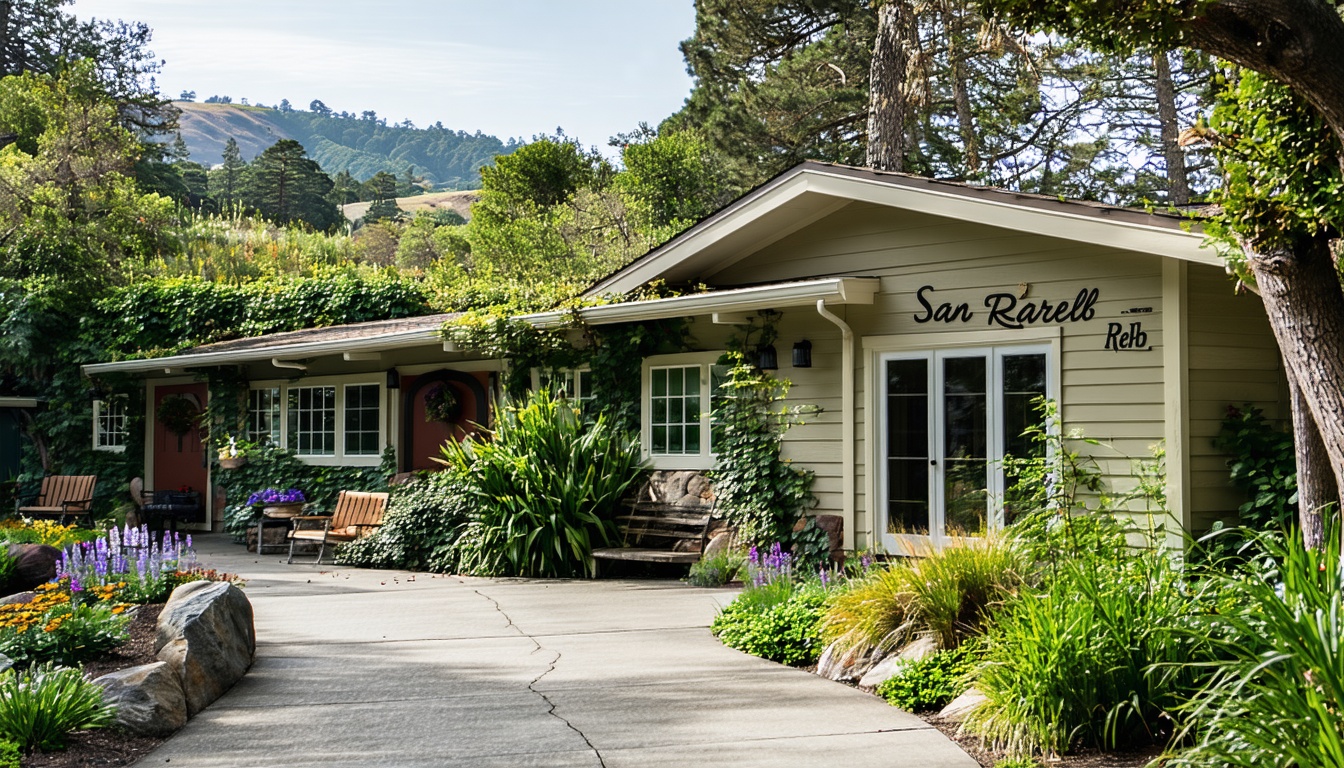
Why Choose San Rafael Rehab
When you’re looking for the best residential drug and alcohol detox and rehab services, San Rafael Rehab stands out as a superior choice for several compelling reasons.
Comprehensive Treatment Approach
San Rafael Rehab offers a holistic approach to treatment that addresses both the physical and psychological aspects of addiction. Their program includes a variety of evidence-based treatments, such as cognitive-behavioral therapy (CBT) and medication-assisted treatment (MAT), which are proven to be effective in treating addiction.
| Treatment Type | Description |
|---|---|
| CBT | Focuses on changing negative thought patterns to improve behavior and emotional regulation. |
| MAT | Combines medication with counseling and behavioral therapies to treat substance use disorders. |
Tailored Care for Individual Needs
At San Rafael Rehab, treatment plans are customized to meet the unique needs of each individual. Personalization is key to effective recovery, and their team of licensed therapists, addiction specialists, and medical professionals ensure that each person receives the care and attention they need (Rehabs.com). This individualized approach helps in addressing the specific challenges and circumstances faced by each patient.
| Customized Services | Benefit |
|---|---|
| Individual Therapy | One-on-one sessions tailored to the patient’s specific needs. |
| Family Involvement | Family therapy and educational programs enhance support. |
Accreditation and Licensing
Choosing a rehab facility that is fully accredited and licensed is crucial for ensuring high standards of care. San Rafael Rehab is accredited by leading national organizations, which guarantees that the facility meets stringent standards for addiction treatment. Accreditation also means that the staff are qualified professionals, providing an extra layer of trust and reliability (Arrowwood Addiction Treatment Center).
| Accreditation | Significance |
|---|---|
| State Licensing | Ensures compliance with state regulations and standards. |
| National Accreditation | Guarantees high-quality care and professional staff qualifications. |
San Rafael Rehab also offers extensive aftercare planning, helping you build a sustainable recovery plan once initial treatment is completed. For more details on their aftercare programs, visit our section on successful aftercare programs.
For those considering different rehab options, you can learn about the various types of rehab facilities, including outpatient drug rehab and inpatient drug rehab, to find the best fit for your recovery journey. For detailed information on what a residential treatment program entails, see our article on what happens in a residential drug and alcohol treatment program.
Successful Aftercare Programs
SAMHSA Treatment Characteristics
Aftercare programs are essential to maintain long-term sobriety for individuals recovering from alcohol addiction. The Substance Abuse and Mental Health Services Administration (SAMHSA) emphasizes several key characteristics for successful aftercare programs. These programs should be comprehensive, addressing both mental health and substance use disorders, and tailored to meet your unique needs.
Effective aftercare programs include a variety of therapies and support systems that aid in reducing symptoms and preventing relapse. Lack of proper treatment is often linked to increased frequency of relapses. Therefore, selecting a program that adheres to SAMHSA’s guidelines can significantly improve your chances of sustained recovery.
To learn more about effective aftercare and treatment characteristics, explore our article on residential treatment centers for substance use disorders.
Co-occurring Disorders
Approximately 7.7 million adults in the US struggle with both a substance use disorder and a mental illness. Managing these co-occurring disorders is crucial for a successful recovery plan. An effective aftercare program will integrate treatments for both conditions, recognizing the interconnected nature of mental health and addiction.
Incorporating therapies such as cognitive-behavioral therapy (CBT), medication-assisted treatment (MAT), and peer support groups can help address the complexities of co-occurring disorders. For more insight into dual diagnosis treatment, visit our page on dual diagnosis treatment addressing addiction and mental health.
| Disorder Type | Number of Adults (in millions) |
|---|---|
| Substance Use Disorder (SUD) | 19.3 |
| Mental Illness | 46.6 |
| Co-occurring Disorders | 7.7 |
Contacting Admission Navigators
Choosing the right aftercare program might seem overwhelming, but professional help is available. Admission navigators can assist you in finding the best programs tailored to your specific needs. These experts can guide you through the process, ensuring you receive the most appropriate care for your recovery journey.
If you need assistance, don’t hesitate to contact our admission navigators. They are equipped to help you explore various options, from inpatient drug rehab near me 24/7 care and support to outpatient drug rehab near me flexible recovery options.
For more detailed guidance on finding the right aftercare program, check our article on drug rehab near me what to expect and how to choose. Your path to lasting recovery is just a call away.
Alarming Statistics on Addiction
Understanding the current landscape of addiction can help you make an informed decision when finding the right rehab for alcoholics near me. Here are some significant statistics that highlight the urgent need for effective rehab services.
Overdose Deaths in the US
In 2022, nearly 108,000 people died from drug-involved overdoses in the United States, averaging almost 296 deaths per day. Unintentional poisoning from drug overdoses became the leading cause of injury-related death in the United States from 1981 to 2022.
| Year | Overdose Deaths | Daily Average |
|---|---|---|
| 2022 | 108,000 | 296 |
Treatment Gap and Relapse Rates
A survey by the Substance Abuse and Mental Health Services Administration (SAMHSA) found that in 2023, more than 95% of people who needed drug rehab did not receive it (American Addiction Centers). This significant gap in treatment access contributes to the ongoing struggle for many individuals to maintain sobriety.
| Metric | Value |
|---|---|
| People Needing Drug Rehab (2023) | 95% did not receive it |
| Relapse Rate for Drug and Alcohol Use | 40-60% |
Relapse rates for drug and alcohol use are estimated to be between 40-60%, illustrating the continual challenges faced by individuals in maintaining recovery post-treatment.
Completion Challenges in Treatment
Less than 43% of individuals who enter treatment for drug and alcohol use complete the treatment program (American Addiction Centers). This underscores the difficulties of treatment completion and highlights the need for ongoing support and aftercare planning.
| Statistic | Value |
|---|---|
| Treatment Completion Rate | < 43% |
Only about one-third of individuals with alcohol use disorder (AUD) attempt to quit drinking each year, with a success rate of reducing alcohol intake for more than a year at around 25%. This emphasizes the chronic nature of addiction and the difficulty in achieving long-term sobriety.
For more information about selecting the right rehab, visit our guide on what to expect during alcohol detox or explore different residential treatment centers for substance use disorders.
Essential Considerations for Choosing a Rehab
Finding the right rehab for alcoholics near you involves evaluating several crucial factors to ensure the best possible outcome for you or your loved one. Here, we will explore essential considerations including evidence-based treatments, qualified staff members, and dual diagnosis treatment.
Evidence-Based Treatments
Evidence-based treatments are interventions that have been scientifically tested and proven effective in treating substance use disorders. San Rafael Rehab prides itself on offering a range of evidence-based treatments, thereby enhancing the chances of recovery.
| Treatment Type | Description |
|---|---|
| Cognitive Behavioral Therapy | Helps individuals recognize and change negative thought patterns and behaviors |
| Medication-Assisted Treatment | Combines medications with counseling to treat substance use disorders effectively |
| Motivational Interviewing | Encourages individuals to commit to change and adhere to their treatment plan |
| Contingency Management | Uses positive reinforcement to encourage sobriety and other positive behaviors |
By choosing a rehab that prioritizes evidence-based treatments, you can be confident that the care you receive has been validated by research and can effectively address addiction (NIAAA).
Qualified Staff Members
The qualifications and expertise of the staff are critical in providing quality care in addiction treatment. Staff should include licensed and experienced professionals who are well-versed in the latest addiction treatment methodologies.
- Addiction Specialists: Provide specialized care and develop personalized treatment plans.
- Clinical Psychologists: Offer therapy and mental health support.
- Medical Professionals: Oversee detox and manage medications.
- Counselors: Provide individual and group therapy sessions.
Selecting a rehab with a team of qualified staff members ensures that you receive comprehensive and competent care. For a detailed understanding of what to expect, visit our guide on drug rehab near me what to expect and how to choose.
Dual Diagnosis Treatment
Many individuals struggling with addiction also face co-occurring mental health disorders such as depression or anxiety. Dual diagnosis treatment addresses both addiction and underlying mental health issues simultaneously, which is essential for effective and sustainable recovery.
Approximately 7.7 million adults experience both a substance use disorder and a mental health condition. Treating only one condition can lead to relapse or worsening of the untreated disorder. Therefore, ensuring that the rehab offers dual diagnosis treatment is vital for holistic and long-lasting recovery. For more on this, check out our article on dual diagnosis treatment addressing addiction and mental health.
By focusing on these key considerations—evidence-based treatments, qualified staff members, and dual diagnosis treatment—you can make an informed decision when selecting the right rehab for alcoholics near you. For more insights, explore our resources on choosing alcohol rehab centers near me and what to expect during alcohol detox day by day timeline.
Levels of Care in Alcohol Treatment
When seeking the right rehab for alcoholics near you, understanding the various levels of care available is crucial. Each level of intensity offers different approaches and interventions to cater to your specific needs and goals.
Treatment Intensity Levels
Different patients require varied treatment intensity levels for Alcohol Use Disorder (AUD), tailored to their individual needs. San Rafael Rehab offers multiple options to ensure effective care.
| Level of Care | Description |
|---|---|
| Inpatient Rehab | Provides 24/7 care and support in a residential setting. Learn more |
| Outpatient Rehab | Offers flexible recovery options allowing you to live at home. Learn more |
| Intensive Outpatient Programs (IOP) | A higher level of care than standard outpatient programs, with more frequent sessions. |
| Partial Hospitalization Programs (PHP) | Day programs offering medical monitoring and intensive treatment. |
For detailed information on the differences and benefits, check out our article on what’s the difference between inpatient and outpatient rehab.
Evidence-Based Approaches
San Rafael Rehab employs evidence-based treatment methods to ensure effective recovery. Behavioral healthcare and medications are two key components of these approaches. According to the NIAAA, combining these methods significantly enhances treatment outcomes.
| Treatment Type | Description |
|---|---|
| Behavioral Health Treatments | Includes individual, group, or family therapy to help you set goals, identify triggers, and build coping skills. |
| Medications | FDA-approved medications like acamprosate, naltrexone, and disulfiram can help manage AUD. Only 1.6% of adults with past-year AUD are prescribed these medications. Integrating these medications with behavioral treatments is highly effective. Learn more. |
The Alcohol Treatment Navigator is a fantastic resource to find evidence-based treatment programs, including telehealth options NIAAA.
Specialized Programming
San Rafael Rehab offers specialized programming to address the unique needs of each patient:
| Program Type | Features |
|---|---|
| Dual Diagnosis Treatment | For individuals dealing with both addiction and mental health disorders. Learn more |
| Gender-Specific Programs | Tailored programs addressing specific needs of men and women. |
| Family Programs | Involves family members to support your recovery journey. |
| Holistic Therapies | Includes yoga, meditation, and other holistic approaches. Learn more |
Choosing San Rafael Rehab ensures comprehensive care, addressing all aspects of your recovery journey. Find out more about how to support a loved one in outpatient drug rehab.
Personalizing the Recovery Journey
Personalizing your recovery journey is vital for achieving long-term sobriety. San Rafael Rehab provides various tailored options to ensure treatments align with your specific needs.
Treatment Goal Identification
Identifying your treatment goals is a crucial first step in your recovery process. Goals can include achieving abstinence, improving relationships, or addressing co-occurring disorders. Clear goals help you and your treatment provider to develop a personalized plan (NIAAA).
Common Treatment Goals:
- Abstinence: Complete cessation of alcohol use.
- Relationship Improvement: Repairing and enhancing personal connections.
- Mental Health: Addressing co-occurring mental health issues.
- Skill Development: Learning coping mechanisms and stress management.
Expert Treatment Provider Consultation
Consulting with an expert treatment provider is essential in understanding the various treatment options available. Providers can offer guidance on programs that align with your goals and provide crucial information to help you make informed decisions (Addiction Center).
Steps in a Consultation:
- Assessment: Detailed assessment to understand your history and needs.
- Discussion: Open dialogue about your goals and preferences.
- Recommendations: Tailored program recommendations.
- Referral: Connection to potential treatment programs.
For further details on what to expect and how to choose, visit our guide on drug rehab near me what to expect and how to choose.
Exploring Different Rehab Options
Exploring various rehab options is vital to ensure the chosen program meets your needs. Consider factors such as type of treatment (inpatient vs. outpatient), the specialties of the center, available therapies, amenities, and costs (Addiction Center).
Types of Treatment:
| Type | Description |
|---|---|
| Inpatient | 24/7 care and support, ideal for severe cases. |
| Outpatient | Flexible scheduling, allows for work and family commitments. |
For more information on the differences, check our article on what’s the difference between inpatient and outpatient rehab.
Key Factors to Consider:
- Specialties: Does the center specialize in your specific needs, such as dual diagnosis treatment or medically-supervised detox?
- Amenities: Consider comforts and additional services like fitness programs or holistic therapies.
- Location: Proximity to home for ease of family visits or the need for a serene environment far from daily stressors.
- Program Length: Programs vary from 30 to 90 days; longer treatments often address more complex issues.
- Cost: Evaluate your budget and insurance coverage options.
Explore more about options in our articles on alcohol rehab centers near me finding the right fit and luxury alcohol rehab in city healing in comfort and privacy.
San Rafael Rehab offers a range of personalized programs designed to meet the unique needs of each individual, ensuring a tailored and effective path to recovery.