Understanding Inpatient Rehab
What is Inpatient Rehab?
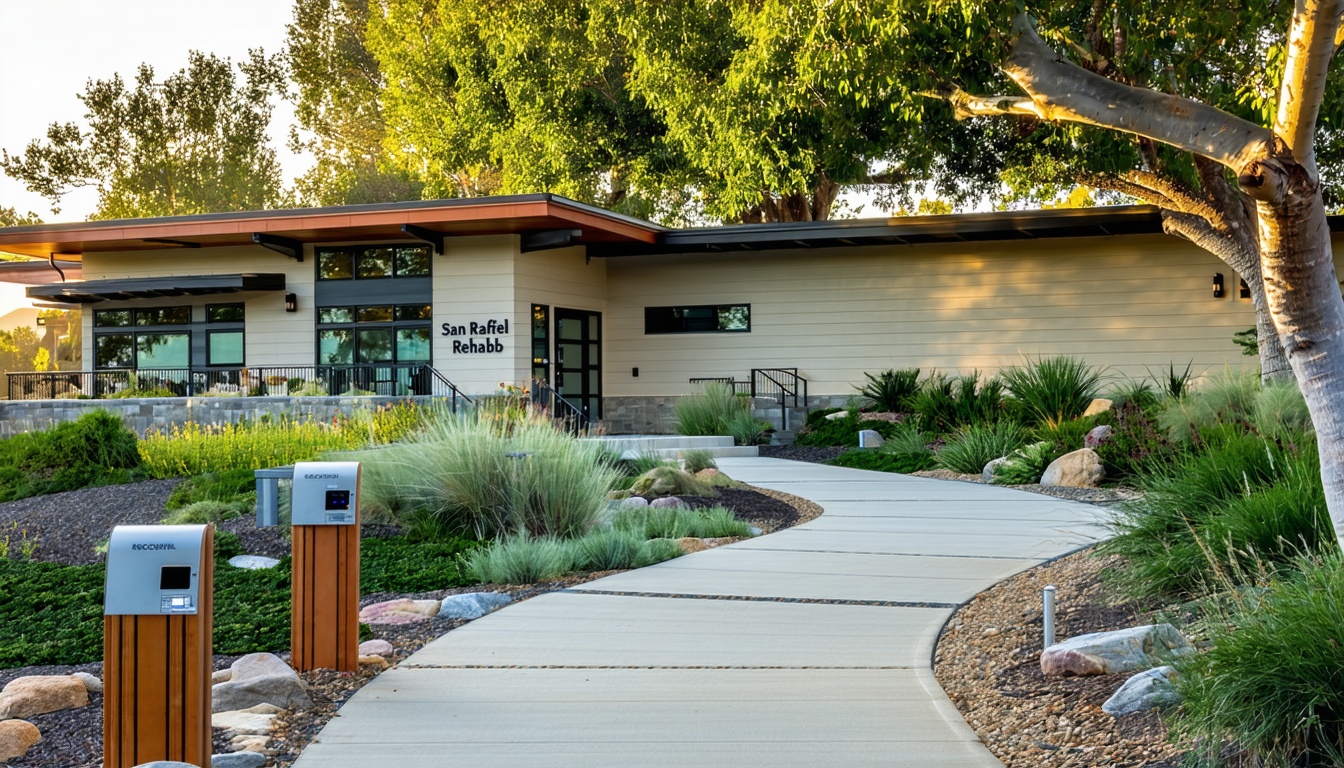
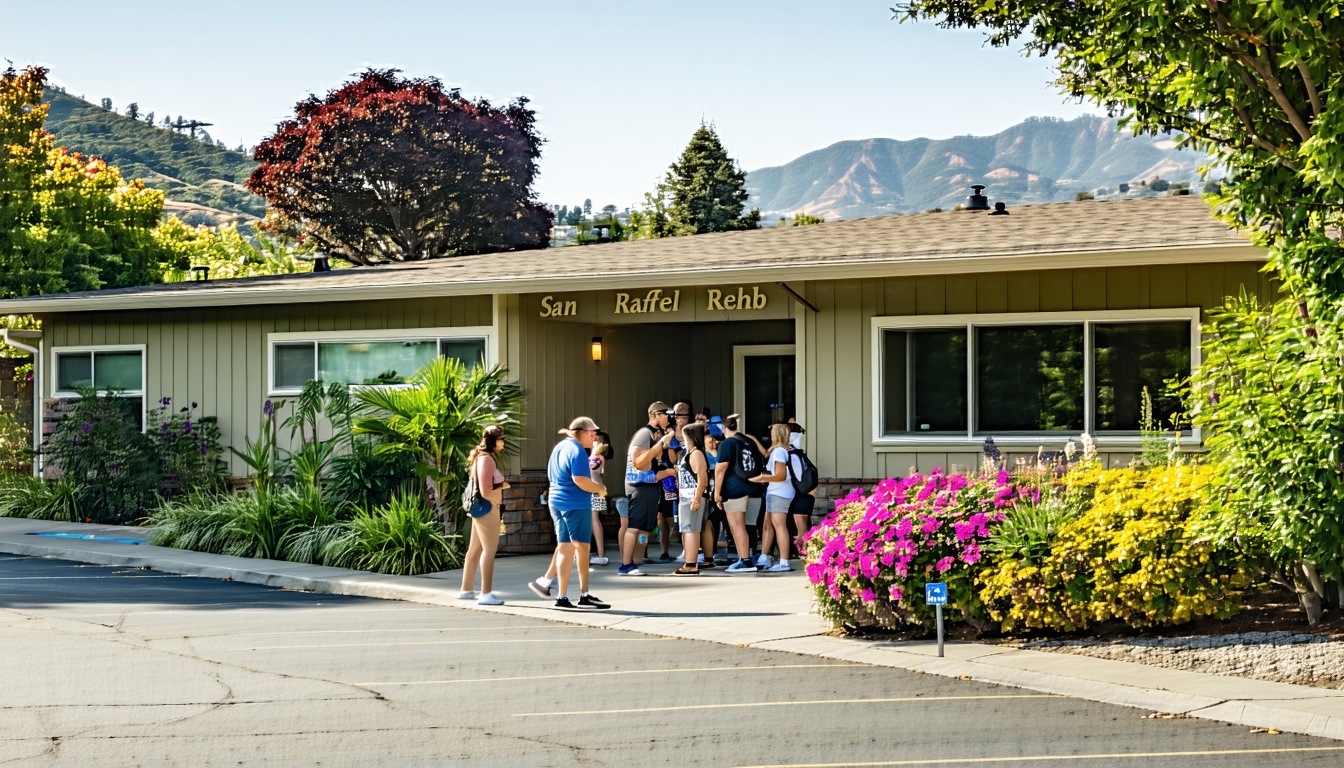
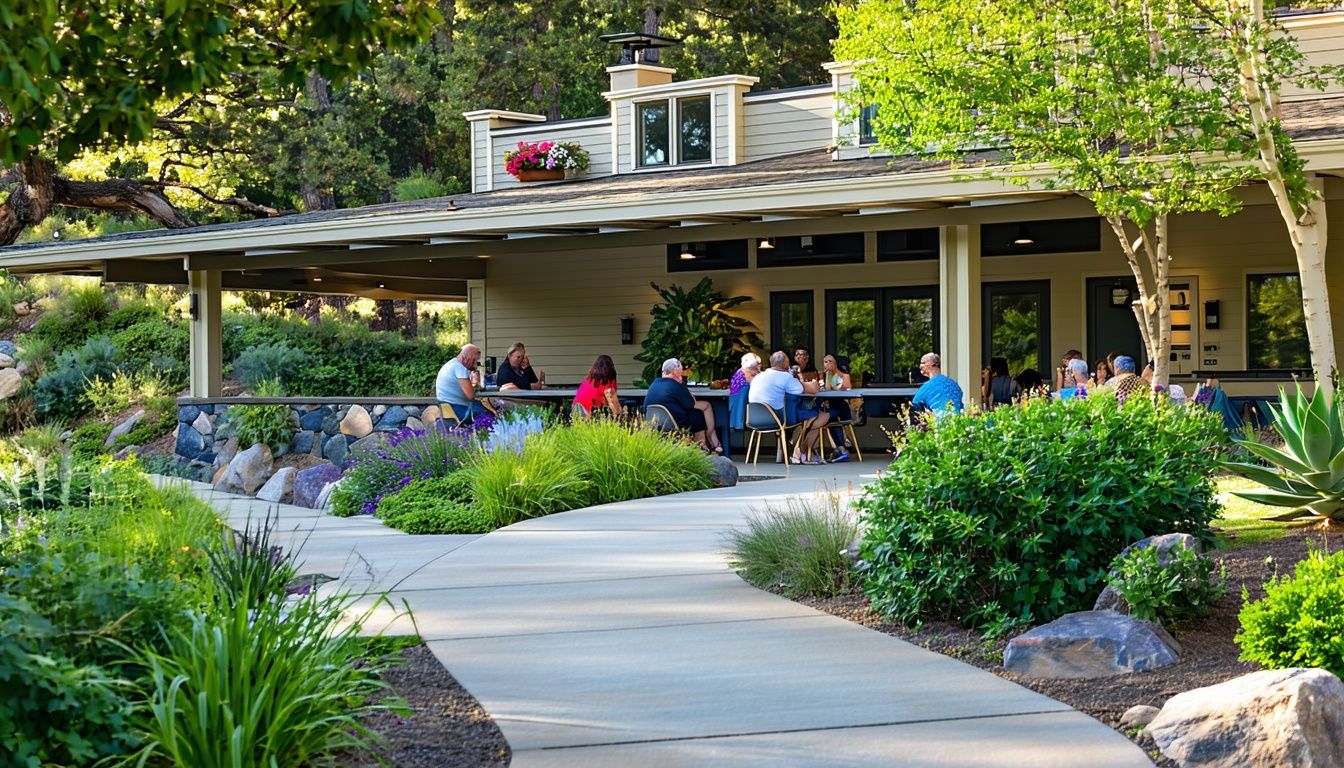
Inpatient rehab, also referred to as residential treatment, is an intensive program designed to help individuals overcome addiction to drugs or alcohol. At San Rafael Rehab, you receive 24/7 medical support and structured treatment plans to address your unique needs. The goal is to provide a safe, supportive environment where clients can focus entirely on their recovery journey without external distractions.
Inpatient rehab includes medically-managed detox, which helps manage withdrawal symptoms effectively. Additionally, residents participate in a variety of therapeutic activities, including individual counseling, group therapy, and holistic therapies. The comprehensive care ensures every aspect of your addiction is addressed, promoting lasting recovery.
Who Needs Inpatient Rehab?
Determining how to tell if you need inpatient rehab for drug addiction involves evaluating your personal circumstances and the severity of your substance use disorder (SUD). According to the American Psychiatric Association’s Diagnostic and Statistical Manual of Mental Disorders, a person must exhibit at least two signs of SUD over 12 months to be diagnosed (Cleveland Clinic).
Inpatient rehab is particularly beneficial for individuals who:
- Have severe addiction and have struggled with repeated relapse
- Require medical supervision during detoxification
- Have co-occurring mental health disorders
- Lack stable living arrangements or supportive environments
- Struggle with maintaining daily responsibilities due to addiction
| Criteria | Description |
|---|---|
| Severity of addiction | Frequent relapses, inability to reduce or stop use |
| Medical necessity | Need for supervised medical detox, co-occurring health issues |
| Environmental factors | Unstable living conditions, lack of support network |
| Daily Functioning | Inability to maintain work, school, or family responsibilities |
At San Rafael Rehab, you or your loved one will find a nurturing and structured environment with 24/7 medical support to ensure a safe and successful recovery process.
For more information on selecting the right rehab program, explore residential treatment centers for substance use disorders and detox centers near me what services are offered. You can also learn about what is a residential treatment program like to understand the experience better.
Benefits of Inpatient Rehab
When considering how to tell if you need inpatient rehab for drug addiction, it’s crucial to understand the benefits that inpatient rehab offers compared to other types of treatment. At San Rafael Rehab, the best residential drug and alcohol detox and rehab services are provided to ensure that you or your loved one receives comprehensive care. Here are two key benefits of inpatient rehab:
24/7 Medical Support
Inpatient treatment programs, also known as residential treatment programs, provide around-the-clock medical and emotional support (NCBI Bookshelf). This continuous care is crucial for several reasons:
-
Medical Management of Detoxification: The first step in many inpatient programs is medically assisted detox. This process involves monitoring vital signs and providing necessary medical care to manage cravings and withdrawals, which can be intense and potentially dangerous. Certain withdrawals, such as those from synthetic opiates, benzodiazepines, alcohol, and heroin, can be fatal if not properly managed (Addiction Center).
-
Emergency Response: Patients recovering from severe substance use disorders (SUDs) may experience acute medical or psychiatric crises. Inpatient settings are equipped to handle such emergencies immediately, providing higher chances of stabilization and recovery.
-
Continuous Monitoring: Regular monitoring can detect and address complications early, ensuring a safer recovery process. This is particularly important during the initial detox phase when the body is adjusting to the absence of substances.
Structured Treatment Programs
Inpatient rehab offers a structured environment that helps patients focus solely on their recovery (Addiction Center). Here’s how:
-
Daily Routine: A well-defined daily schedule helps patients build new, healthy habits and provides a sense of purpose and routine, which can be therapeutic.
-
Therapeutic Support: Inpatient programs typically include a range of therapies such as individual counseling, group therapy, and family therapy sessions. These therapies address the emotional and psychological aspects of addiction, providing comprehensive care. For more on what to expect during rehab, visit what happens in a residential drug and alcohol treatment program.
-
Focus on Recovery: Being in a residential setting eliminates many external stressors and triggers that could potentially lead to relapse. Patients can devote their time and energy entirely to their recovery process without interruptions.
| Aspect | Inpatient Rehab | Outpatient Rehab |
|---|---|---|
| Care Level | 24/7 Medical and Emotional Support | Limited to scheduled sessions, no continuous monitoring |
| Cost | Typically higher due to comprehensive services (how much does rehab cost) | More cost-effective but with lower success rates |
| Daily Disruption | Significant, requires staying in the facility | Minimal, allows maintaining daily routine |
| Average Duration | 30 days to 6 months (Healthline) | Minimum of 2 months, can extend for several months (Healthline) |
The structured treatment programs and 24/7 medical support provided at San Rafael Rehab make it an ideal choice for those seeking the best residential drug and alcohol detox and rehab services. For more information on the differences between inpatient and outpatient rehab, visit outpatient vs inpatient rehab pros and cons and what’s the difference between inpatient and outpatient rehab.
Inpatient vs. Outpatient Rehab
When considering rehabilitation options for drug addiction, it’s important to understand the differences between inpatient and outpatient rehab. This section will discuss the contrasting care options and provide considerations for choosing the best fit for your needs.
Contrasting Care Options
Inpatient and outpatient rehab programs offer different approaches to addiction treatment. Understanding these differences can help you make an informed decision about the type of care that will best support your recovery journey.
Inpatient Rehab:
Inpatient rehab involves staying at a residential facility 24/7 during the treatment period, usually for 30 days or longer. Inpatient hospitalization for substance abuse typically includes around-the-clock care, emphasizing medical management of detoxification or other medical and psychiatric crises.
Outpatient Rehab:
Outpatient treatment, on the other hand, allows patients to live at home while attending treatment sessions at a facility. Treatment can last from 3 to 6 months or even longer for more serious cases. It generally includes services for 3 hours per day, up to 5 days a week (Addiction Center).
| Aspect | Inpatient Rehab | Outpatient Rehab |
|---|---|---|
| Duration | 30 days minimum | 2 months minimum |
| Environment | Residential facility | Live at home |
| Care Level | 24/7 care | Part-time attendance |
| Cost | Typically higher | Typically lower |
| Accessibility | Full-time commitment | Retain daily home responsibilities |
Considerations for Choosing
When deciding whether to choose inpatient or outpatient rehab, consider various factors that could influence the effectiveness of the treatment process. Here are some key considerations:
-
Severity of Addiction: Inpatient rehab is often recommended for severe addiction cases, especially those involving medical or psychiatric crises. If you have a milder form of substance use disorder, outpatient treatment might be sufficient (NCBI Bookshelf).
-
Living Environment: If your home environment is supportive and free from substance use triggers, outpatient treatment might work well. However, if you face significant stressors or triggers at home, inpatient treatment could provide a necessary escape.
-
Medical Needs: Consider your medical history and any need for ongoing medical support. Inpatient facilities are well-equipped to handle medical management of detoxification, whereas outpatient facilities might provide more limited medical care.
-
Flexibility and Convenience: Outpatient rehab offers the flexibility to continue with personal responsibilities such as work or school. In contrast, inpatient rehab requires a full-time commitment but offers a structured treatment program.
-
Financial Considerations: Inpatient treatment is typically more expensive than outpatient care. Evaluate your financial situation and insurance coverage to determine what works best for you (Healthline). For more information, see how much does rehab cost inpatient vs outpatient breakdown.
Whether you choose inpatient or outpatient rehab, both programs offer valuable support to increase the chances of successful recovery. For additional insights, explore inpatient drug rehab near me 24/7 care and support and outpatient drug rehab near me flexible recovery options.
The Inpatient Rehab Experience
Preparation and Admission
Preparation for inpatient rehab is a vital step toward recovery. At San Rafael Rehab, you should start by settling personal matters ahead of your admission date. Handle work, childcare, and financial responsibilities to ensure a smooth transition (Addiction Center). Preparing sooner rather than later is advisable.
Family support plays a crucial role in your recovery journey. At San Rafael Rehab, programs often include family involvement and counseling sessions to enhance support systems. Visit our page on what to pack for inpatient rehab essentials checklist for more detailed information about preparation.
Daily Routine and Therapeutic Support
Once admitted, you will follow a structured routine designed to promote recovery. San Rafael Rehab’s daily schedule typically includes:
| Time | Activity |
|---|---|
| 7:00 AM | Wake-up and Morning Meditation |
| 8:00 AM | Breakfast |
| 9:00 AM | Individual Therapy |
| 10:30 AM | Group Therapy |
| 12:00 PM | Lunch |
| 1:00 PM | Recreational Activities |
| 3:00 PM | Specialized Therapy (e.g., Cognitive Behavioral Therapy) |
| 5:00 PM | Dinner |
| 6:30 PM | Family Counseling |
| 8:00 PM | Reflection and Relaxation |
| 10:00 PM | Lights Out |
These schedules focus on providing comprehensive care involving interactions with psychologists, counselors, and psychiatrists (Addiction Center).
Therapeutic support usually includes both individual and group therapy sessions. You will engage in therapies such as Cognitive Behavioral Therapy (CBT) and family counseling. Medically assisted detox is available to help manage cravings and withdrawal symptoms. The duration of treatment can range from 30 days to 6 months, allowing you to focus entirely on recovery without daily distractions.
For further insights on what to expect, visit our page on what happens in a residential drug and alcohol treatment program.
Internal links:
- drug rehab near me what to expect and how to choose
- inpatient drug rehab near me 24 7 care and support
- how long does detox take for alcohol and drugs
- what is outpatient rehab and how does it work
- how much does rehab cost inpatient vs outpatient breakdown
Success Factors in Inpatient Rehab
Successful recovery in an inpatient rehab setting hinges on several critical factors. At San Rafael Rehab, we emphasize the importance of family involvement and medically assisted detox as key contributors to effective treatment outcomes, ensuring that individuals receive the comprehensive support they need.
Family Involvement
Family support is an essential element of successful inpatient rehab programs. When family members participate in the recovery process, it can enhance the patient’s motivation and provide a crucial emotional support system. San Rafael Rehab offers structured family counseling sessions, allowing loved ones to be involved in treatment.
| Benefits of Family Involvement | Description |
|---|---|
| Emotional Support | Patients feel more secure and motivated knowing their family is involved. |
| Better Communication | Family counseling improves understanding and communication within the family. |
| Enhanced Recovery | Active family participation can lead to better long-term recovery outcomes. |
Families are encouraged to visit and attend counseling sessions, adapting to each patient’s progress and needs. For more information on family involvement in addiction recovery, you can refer to our comprehensive guide on residential treatment centers for substance use disorders.
Medically Assisted Detox
Medically assisted detox is another critical factor in successful inpatient rehab, especially for individuals with severe addiction. This approach involves the use of medications to help manage withdrawal symptoms, reduce cravings, and stabilize the patient during the initial phase of recovery.
Inpatient hospitalization for substance abuse treatment typically includes around-the-clock care, emphasizing the medical management of detoxification. Such an environment is crucial for managing potential complications (NCBI Bookshelf). At San Rafael Rehab, medically assisted detox is tailored to each individual’s specific needs, ensuring a safer and more comfortable detoxification process.
| Medically Assisted Detox Benefits | Description |
|---|---|
| Symptom Management | Reduces the physical and psychological symptoms of withdrawal. |
| Increased Safety | Provides monitoring and immediate medical intervention if needed. |
| Better Retention | Patients are more likely to stay in treatment and complete the program. |
To understand more about how our medically assisted detox can benefit you or your loved one, learn about our services in detox centers near me what services are offered.
Beyond these factors, it’s important to consider all facets of inpatient care, including preparation and admission processes and daily routines, to fully understand what makes an inpatient rehab program at San Rafael Rehab stand out. Whether transitioning to outpatient care or continuing with comprehensive support, San Rafael Rehab is committed to providing a seamless and effective recovery journey.
Transitioning from Inpatient to Outpatient
Transitioning from an inpatient treatment program to an outpatient setting is a critical phase in the recovery journey. San Rafael Rehab offers comprehensive services to ensure a smooth transition, providing continued support and resources for long-term recovery.
Continuing Care Plans
A well-structured continuing care plan is essential for maintaining the progress made during inpatient treatment. At San Rafael Rehab, medical professionals, mental health counselors, and clinicians work collaboratively to design personalized aftercare plans. These plans often include:
- Individual Therapy: Regular one-on-one sessions with a therapist to address underlying issues and develop coping strategies.
- Group Therapy: Participation in group sessions to receive support and share experiences with peers.
- Medication Management: Ongoing supervision of prescribed medications to support mental health and prevent relapse.
- Follow-up Appointments: Scheduled check-ins with healthcare providers to monitor progress and make necessary adjustments to the treatment plan.
For details on what to expect during the outpatient phase, explore our article on what happens in a residential drug and alcohol treatment program.
| Care Plan Component | Description |
|---|---|
| Individual Therapy | One-on-one sessions for personalized support |
| Group Therapy | Peer support and shared experiences |
| Medication Management | Supervision of prescribed medications |
| Follow-up Appointments | Regular check-ins for progress monitoring |
Aftercare Support and Relapse Prevention
San Rafael Rehab emphasizes the importance of aftercare support and relapse prevention to ensure lasting recovery. The following components are integral to our aftercare program:
- Support Groups: Encouragement to attend meetings such as Alcoholics Anonymous (AA) or Narcotics Anonymous (NA) to build a strong support network (Addiction Center).
- Psychoeducation: Providing education on substance use disorders, triggers, and coping mechanisms.
- Family Involvement: Engaging family members in therapy sessions to strengthen relationships and build a supportive home environment.
- Recovery Skills Workshops: Workshops focused on developing skills to manage stress, avoid triggers, and maintain sobriety.
Understanding that recovery is a lifelong process, San Rafael Rehab ensures that you have access to the necessary continuing care plans and resources to avoid relapse. Learn more about dual diagnosis treatment options to address co-occurring mental health conditions alongside substance addiction.
For a complete overview of inpatient and outpatient treatments, including their differences and benefits, refer to our guide on what’s the difference between inpatient and outpatient rehab.
| Aftercare Component | Description |
|---|---|
| Support Groups | AA/NA meetings for peer support |
| Psychoeducation | Education on SUD and coping mechanisms |
| Family Involvement | Therapy sessions with family participation |
| Recovery Skills Workshops | Training in stress management and trigger avoidance |
By providing comprehensive continuing care plans and robust aftercare support, San Rafael Rehab ensures that you are well-prepared for the next stages of recovery, helping you achieve and maintain long-term sobriety. For more information on how to access these services, visit inpatient drug rehab near me 24/7 care and support and outpatient drug rehab near me flexible recovery options.