Essential Packing Tips for Inpatient Rehab
When preparing for a stay at an inpatient rehab facility, packing the right items can ensure your comfort and well-being. Here are some essential tips to guide you on what to bring.
Clothing Essentials
Packing a variety of comfortable, loose-fitting clothing is crucial for your daily activities and therapy sessions. The following list covers the basic clothing items to consider:
- Casual Clothes: Loose-fitting shirts, comfortable pants, and sweatshirts. Bring enough for 7-10 days.
- Exercise Gear: Athletic wear, including sneakers, for fitness activities.
- Undergarments: Sufficient supply to last between laundry cycles.
- Sleepwear: Comfortable pajamas and slippers.
- Layering Options: T-shirts, sweaters, cardigans, and jackets to adapt to varying temperatures.
- Weather-Appropriate Clothing: Ensure you pack seasonal attire, such as hats, gloves, or rain gear.
| Clothing Item | Quantity |
|---|---|
| Shirts | 7-10 |
| Pants/shorts | 7-10 |
| Underwear | 7-10 |
| Sleepwear | 2-3 |
| Athletic Wear | 1-2 sets |
| Sweaters/Jackets | 2-3 |
For more guidance on what to bring, check out our detailed article on what to pack for inpatient rehab essentials checklist.
Toiletry Must-Haves
Bringing the right toiletries can make your stay in rehab more comfortable and ensure you maintain good hygiene. Here is a checklist of toiletry essentials:
- Personal Hygiene Items: Toothbrush, toothpaste, shampoo, conditioner, soap, and deodorant. Make sure these products are sealed and do not contain alcohol.
- Skincare Products: Moisturizer, sunscreen, and lip balm. Ensure these items are alcohol-free.
- Grooming Essentials: Hairbrush or comb, shaving cream, and razors. Aerosols might not be allowed, so check with your facility.
- Additional Items: Feminine hygiene products, extra eyeglasses, prescription medications with a copy of the prescription, and a small towel.
| Toiletry Item | Quantity |
|---|---|
| Toothbrush | 1 |
| Toothpaste | 1 |
| Shampoo/Conditioner | 1 each |
| Soap | 1 |
| Deodorant | 1 |
| Razors | 1-2 |
| Feminine Products | 1-month supply |
To ensure you are fully prepared, refer to our comprehensive checklist on what to pack for inpatient rehab essentials checklist.
Taking these preparations into account will help you have a smooth transition into your residential treatment center and focus on your recovery journey. For more tips on preparing for rehab and what to expect, visit our section on preparing for your stay.
Personal Items to Bring
Packing strategically for your stay at an inpatient rehab facility can significantly enhance your comfort and provide a sense of familiarity during your recovery journey. Here’s an essential guide to help you create a comforting environment while adhering to the facility’s guidelines.
Creating a Comforting Environment
Your stay at San Rafael Rehab can be more manageable with a few personal items that help recreate a sense of home and provide comfort. These items can contribute to your emotional well-being and make the transition to the rehab center more seamless.
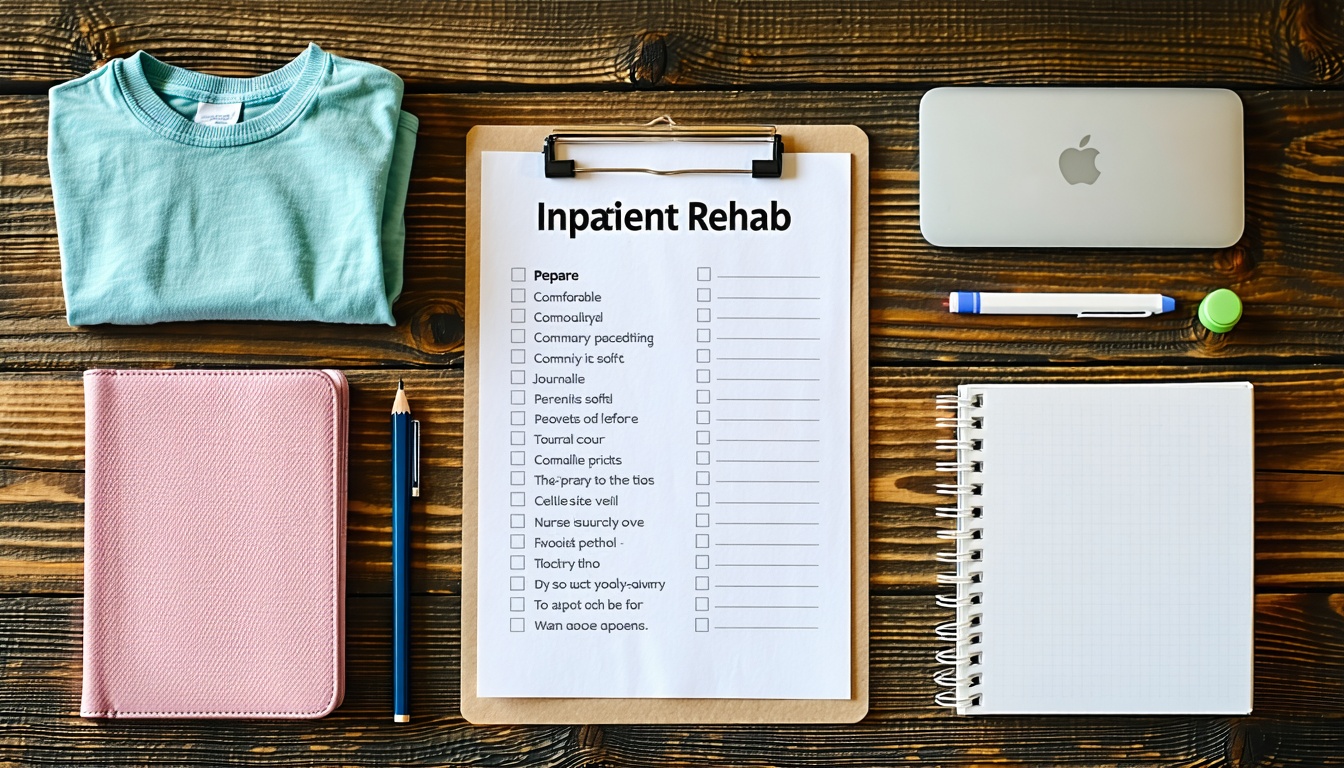
Personal Items Checklist:
-
Comfortable Clothing:
-
Loose-fitting clothes suitable for daily therapy sessions.
-
Layering options like T-shirts, sweaters, cardigans, and jackets (Addiction Center).
-
Toiletries:
-
Basic hygiene items such as toothbrush, toothpaste, soap, shampoo, and deodorant.
-
Personal care products like moisturizers and hairbrushes.
-
Comfort Items:
-
A favorite blanket or pillow.
-
Photos or small keepsakes that provide comfort and a sense of home.
-
Stationery:
-
Journals or notebooks which can be beneficial for self-reflection and therapy exercises.
Refer to our related articles on residential treatment centers for substance use disorders and what is a residential treatment program like for more insights on creating a supportive rehab environment.
Guidelines from the Facility
Rehabilitation facilities like San Rafael Rehab provide specific guidelines on what to bring. Ensuring compliance with these rules will help you avoid any inconvenience upon arrival. Facilities often provide a detailed checklist that can be reviewed to ensure you are well-prepared.
-
Clothing Guidelines:
-
Most facilities have a strict dress code, advising against overly revealing or inappropriate attire.
-
A week’s worth of clothing is generally sufficient as laundry services are often provided (Addiction Center).
-
Electronics:
-
Most rehabs restrict certain electronics to maintain a focus on recovery.
-
Items like video games, DVDs, and sporting equipment are typically prohibited.
Table: Suggested Items to Pack
| Item Category | Example Items |
|---|---|
| Clothing | Comfortable, loose-fitting attire, layering options |
| Toiletries | Toothbrush, toothpaste, soap, shampoo, deodorant |
| Comfort Items | Favorite pillow, blanket, personal photos |
| Stationery | Journals, notebooks |
Ensuring you have all the necessary items can support a more positive rehab experience. For a comprehensive list tailored to the specifications of the facility you are attending, visit UPMC Rehabilitation Institute and our article on how to tell if you need inpatient rehab for drug addiction.
For more details about the types of services and what to expect during your stay, explore what happens in a residential drug and alcohol treatment program and how long does inpatient rehab last.
By following these guidelines and preparing with the right personal items, your stay at San Rafael Rehab can be more comfortable, allowing you to focus on your journey toward recovery.
Preparing for Your Stay
Packing for inpatient rehab requires careful consideration to ensure a comfortable and stress-free experience. Here are essential tips on communicating with the rehab center and knowing what to expect during your stay.
Communicating with the Rehab Facility
Before packing, it’s essential to communicate with the rehab facility. Contacting the treatment center will help you verify what items are prohibited, understand what items will be provided, and check which personal items are allowed. It’s also a good time to inquire about any guidelines specific to the facility (Rehabs.com).
Here are some key questions to ask the facility:
- What items are considered prohibited?
- Are outside food and drinks allowed?
- What personal items are recommended to bring?
- Are there any specific items provided by the facility?
- Are there special dietary accommodations available?
For individuals with special dietary needs, notifying the rehab facility in advance is crucial. Most inpatient centers provide three meals a day, snacks, and beverages, while maintaining a moderate sugar and caffeine environment (Addiction Center).
Knowing What to Expect
Understanding what to expect during your stay can significantly ease the transition into inpatient rehab. Here are some general guidelines and what you can anticipate:
Personal Belongings:
Make sure to review the checklist provided by the rehabilitation facility to ensure all necessary items are packed. It is recommended to bring a week’s worth of clothing that is easy to wash and does not require special care, such as dry cleaning. Pack clothing like T-shirts, sweaters, cardigans, and jackets considering the limited space in the room.
Meals and Dietary Needs:
Most rehab centers offer a balanced diet with meals, snacks, and beverages provided. If you have dietary restrictions, make these known to the staff beforehand to ensure your needs are met.
Prohibition and Guidelines:
Items such as outside food and drinks, certain electronics, and personal care products containing alcohol are typically prohibited. If you mistakenly bring prohibited items, these will usually be sent home with the person who brought you to the center.
Facility Policies:
Understanding the facility policies can help in creating a smoother experience. Common restrictions include the ban on outside food or caffeine to maintain a moderate environment. Always follow the specific guidelines provided by the facility (Rehabs.com).
For more detailed guidelines on selecting the right facility and understanding the expectations, explore our resources on finding the right rehab for alcoholics near me, what happens in a residential drug and alcohol treatment program, and how to tell if you need inpatient rehab for drug addiction.
By effectively communicating with the rehab facility, you ensure a well-prepared and smooth transition into your inpatient rehab stay.
Special Considerations
Understanding the specific needs for your stay at San Rafael Rehab is crucial. Here’s what you need to know about medication management and financial and identification essentials.
Medication Management
Always bring medications in their original, unopened containers, clearly labeled with dosage instructions and prescriber details. Include the pharmacy name, Rx number, and dosage information. A well-prepared list of your medications can prevent any mix-ups. Obtain a 30-day supply and refill your prescriptions a week before leaving for rehab.
| Item | Details |
|---|---|
| Original Medication Containers | Clearly labeled with dosage |
| Prescriber Details | Name, phone number |
| Pharmacy Information | Name and contact |
| 30-Day Supply | Ensure refills are available |
For added assurance, it’s recommended to communicate with San Rafael Rehab in advance about any specific medication needs (what happens in a residential drug and alcohol treatment program).
Financial and Identification Essentials
When heading to rehab, it’s essential to bring some money, identification, and insurance documents. Here’s a checklist to ensure you don’t miss anything critical.
| Item | Details |
|---|---|
| Cash | $50-$100 for personal expenses |
| Credit/Debit Cards | For necessary transactions |
| Official Identification | Driver’s license, passport |
| Insurance Cards | Health insurance information |
| Important Documents | Checkbook/checks if needed |
Make sure to carry a list of your important information and communicate with the facility about the security of these items.
San Rafael Rehab provides secure storage for your valuable items, ensuring peace of mind during your stay. Check their website for specific guidelines and “What to Bring” pages, or reach out directly to the admissions office for more information (drug rehab near me what to expect and how to choose).
Understanding what you need to bring can make your stay at San Rafael Rehab as smooth and stress-free as possible, allowing you to focus on your recovery journey.
Electronics and Entertainment
Devices Allowed in Rehab
When preparing for an inpatient rehab stay, understanding what electronic devices are allowed can help in making the experience more comfortable. Most rehab facilities permit certain electronics, but it’s essential to verify the specific guidelines of the facility you or your loved one will be attending.
| Device | Allowed in Rehab? |
|---|---|
| Cellphones | Yes, with restrictions |
| Laptops | Yes, with restrictions |
| Tablets | Yes, with restrictions |
| E-book readers/Kindles | Yes |
| Music players/iPods | Yes |
According to American Addiction Centers, electronic devices such as cellphones, laptops, tablets, e-book readers, and music players are generally allowed, but their usage may be regulated to ensure they do not interfere with treatment objectives.
Restrictions and Guidelines
Each facility has its own set of rules regarding the use of electronic devices. These guidelines are in place to help maintain a focused and distraction-free environment conducive to recovery.
- Usage Times: Many rehab centers restrict when and where you can use electronics. Certain times of the day may be set aside for device use, while other periods are reserved for therapy and group activities.
- Internet Access: Access to the internet might be limited or monitored. This is to prevent distractions and ensure a supportive environment.
- Social Media: Policies on social media usage vary. Some facilities may allow limited access, while others may restrict it entirely.
- Communication: Restrictions on who you can communicate with using electronics may be enforced to protect patient confidentiality and privacy.
Ensure you understand and adhere to these guidelines. Violations could result in the confiscation of your devices for the duration of your stay.
Other Entertainment Restrictions and Guidelines
In addition to electronic devices, there are other entertainment-related restrictions you should be aware of:
- Outside Food and Drinks: Generally banned to maintain a controlled environment (Addiction Center).
- Games and DVDs: Items like video games, DVDs, and sporting equipment are typically prohibited to keep the focus on treatment.
For detailed guidelines, visit the specific rehab’s website or contact their admissions office directly. For more insights on what to expect, read our article on what happens in a residential drug and alcohol treatment program.
Understanding these restrictions and ensuring compliance can contribute to a smoother, more focused rehabilitation journey. For further reading on choosing the right facility and what to expect, explore our resources on drug rehab near me what to expect and how to choose and alcohol rehab centers near me finding the right fit.
Prohibited Items and Restrictions
During your stay at San Rafael Rehab, understanding what items are prohibited and the restrictions in place is vital for a smooth and successful rehabilitation experience. Ensuring that you avoid specific items helps to maintain a safe, secure, and therapeutic environment.
Understanding the Facility Policies
Each inpatient rehab facility, including San Rafael Rehab, has its own set of guidelines and policies regarding what items are allowed and prohibited. Familiarizing yourself with these policies beforehand can help you pack appropriately and avoids any unnecessary stress upon arrival. Always check the guidelines provided by the facility or reach out to the staff if you have any questions.
Common items that are typically restricted include:
- Alcohol-based products: All toiletries and beauty products must be completely alcohol-free. This includes items like mouthwash, hand sanitizers, and some cosmetics (Addiction Center).
- Sharp objects: Items such as razors, scissors, and nail clippers are usually not allowed as they pose safety risks.
- Electronics: While some facilities allow limited electronic devices, others have strict restrictions. It’s important to understand the rules regarding cellphones, laptops, and other gadgets (detox centers near me what services are offered).
- Food and beverages: Bringing outside food and drinks is generally prohibited to ensure nutritional consistency and avoid contraband.
- Over-the-counter medications and supplements: Only prescribed medications, managed by the facility’s medical team, are allowed.
Items to Avoid Bringing
Packing smartly means knowing what to pack and what to leave behind. Here is a list of commonly prohibited items at rehab centers:
| Item | Reason for Restriction |
|---|---|
| Alcohol-based products | Can be misused, pose safety hazards |
| Sharp objects | Potential safety risk to self and others |
| Electronics | Can disturb the treatment process and privacy |
| Outside food/drinks | To maintain nutritional consistency and prevent contraband |
| Over-the-counter medications | To avoid unsupervised medication use |
| Valuables/jewelry | Risk of theft or loss |
For further information on specific guidelines and what to expect during your stay, refer to our guide on inpatient drug rehab near me 24/7 care and support.
By adhering to the facility’s policies and avoiding prohibited items, you can focus on your recovery journey without any unnecessary distractions. For a comprehensive checklist, including prohibited items, contact San Rafael Rehab or refer to their provided materials. Learn more about selecting the right facility with our guide on drug rehab near me what to expect and how to choose.