Understanding Treatment Options
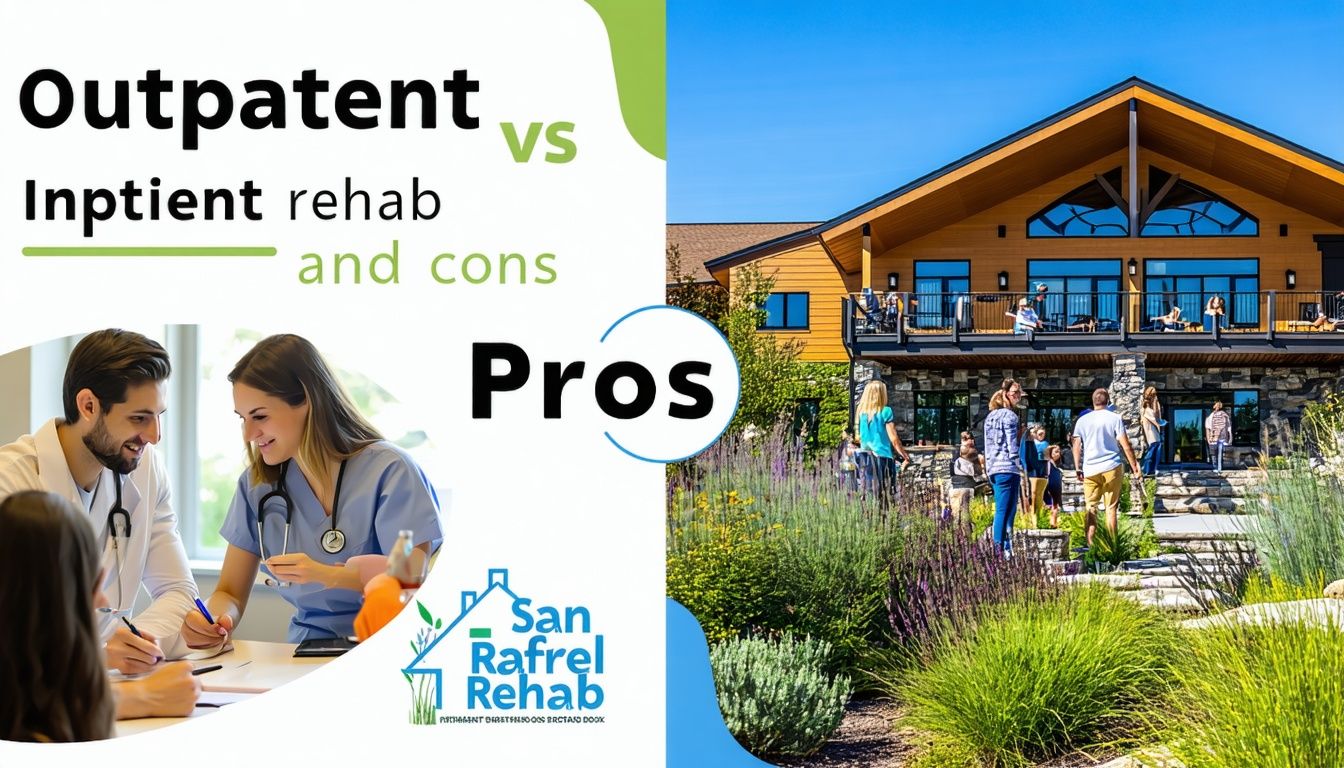
Choosing the right treatment option for substance use disorders is crucial to ensure a successful recovery journey. Here is an overview of the two main types of programs: inpatient and outpatient rehab.
Inpatient Programs Overview
Inpatient treatment programs, also known as residential programs, are designed for individuals with severe substance use disorders and addictions. Patients live in a controlled environment and receive 24-hour medical and emotional support. The duration of inpatient programs can range from 30 days to six months.
Key advantages of inpatient programs include:
- 24/7 medical and emotional support
- Controlled environment free from triggers
- Intensive therapeutic activities
- Removal from daily stressors
| Pros of Inpatient Rehab | Cons of Inpatient Rehab |
|---|---|
| 24/7 medical and emotional support | Higher cost |
| Controlled environment | Disrupted daily life |
| Immersive therapeutic activities | Potentially limited family interaction |
| Removal from triggers | Time-consuming commitment |
Inpatient rehab programs, like those offered by San Rafael Rehab, provide comprehensive and immersive support for individuals seeking to overcome addiction. For more information on what to expect, visit our page on inpatient drug rehab near me 24 7 care and support.
Outpatient Treatment Overview
Outpatient treatment is generally less restrictive compared to inpatient rehab. This type of program includes options such as partial hospitalization (PHP) and intensive outpatient programming (IOP).
Partial Hospitalization Programming (PHP)
PHP provides intensive treatment lasting 5-6 hours per day, 5-6 days a week (Addiction Center).
Intensive Outpatient Programming (IOP)
IOP involves treatment sessions that last 3 hours per day, 3-5 days a week, allowing individuals to maintain their daily routines.
Key benefits of outpatient treatment include:
- Flexibility to continue daily life activities
- Lower cost compared to inpatient programs
- Ability to stay close to family and friends
- Focus on relapse prevention and skill-building
| Pros of Outpatient Rehab | Cons of Outpatient Rehab |
|---|---|
| Flexible schedule | Less intensive support |
| Lower cost | Patient remains in triggering environments |
| Maintained daily routines | Potentially longer recovery period |
| More family involvement | Requires strong personal motivation |
Outpatient programs are ideal for individuals with mild to moderate substance use disorders. They allow you to live at home, continue working, and stay close to loved ones while receiving the necessary support. To learn more about outpatient options, visit our page on outpatient drug rehab near me flexible recovery options.
When choosing the right treatment path, consider individual needs, the severity of addiction, and personal preferences. San Rafael Rehab offers both inpatient and outpatient programs tailored to support your recovery journey. For more insights, check our sections on what to expect during alcohol detox day by day timeline and how much does rehab cost inpatient vs outpatient breakdown.
Intensive Treatment Options
Choosing the right intensive treatment option is crucial for recovery. Here, we explore Partial Hospitalization Programming (PHP) and Intensive Outpatient Programming (IOP), both designed to support those in recovery while offering flexibility.
Partial Hospitalization Programming (PHP)
Partial Hospitalization Programming (PHP) is among the most intensive forms of outpatient treatment, typically involving 5-6 hours of treatment per day for 5-6 days a week (Addiction Center). This option is ideal for individuals who need significant support but do not need 24/7 residential care.
PHP focuses on stabilizing behaviors in early recovery. Some of the key components include:
- Individual Therapy
- Group Therapy
- Psychoeducation Sessions
- Family Counseling
- Medical Supervision
PHP is intensive but allows patients to return home or to a sober living environment at the end of the day, enabling them to integrate treatment into their daily lives. Check out inpatient drug rehab near me 24 7 care and support for more details on when inpatient care might be necessary before transitioning to PHP.
Intensive Outpatient Programming (IOP)
Intensive Outpatient Programming (IOP) is a step-down from PHP, however, it is still a rigorous option that involves 3 hours of treatment per day for 3-5 days a week (Addiction Center). This structure allows for high levels of support while offering more flexibility for the patient.
Important elements of IOP include:
- Relapse Prevention Strategies
- Psychoeducation
- Individual and Group Counseling
- Recovery Skill Development
IOP allows individuals to maintain their employment and family responsibilities, promoting a more integrated approach to recovery. Comparing PHP and IOP can help you understand their distinct benefits:
| Program | Duration per Day | Days per Week | Focus |
|---|---|---|---|
| PHP | 5-6 hours/day | 5-6 days | Stabilizing Early Recovery |
| IOP | 3 hours/day | 3-5 days | Relapse Prevention |
For more information on outpatient options, refer to our article on outpatient drug rehab near me flexible recovery options.
Understanding these intensive treatment options can help you or your loved one make an informed decision about the appropriate level of care. Balancing intensity with flexibility, PHP and IOP offer structured pathways to recovery while allowing individuals to remain engaged in their daily lives.
Duration and Flexibility
Choosing the right rehab program depends heavily on how it fits into your daily life and the length of time you can commit to treatment. Both inpatient and outpatient programs have distinct advantages and considerations when it comes to duration and flexibility.
Program Length and Structure
Inpatient rehab programs, such as those offered at San Rafael Rehab, provide 24/7 care and a highly structured environment, beneficial for individuals with severe addictions or those who need intensive treatment. In general, inpatient programs last anywhere from 28 days to six months. The structured nature of inpatient care removes the distractions and temptations from the outside world, allowing you to focus solely on recovery.
In contrast, outpatient programs enable individuals to continue their normal activities while receiving treatment. Sessions are typically scheduled in the mornings or evenings to accommodate work or school commitments (The Recovery Village). Outpatient treatment is often more flexible, with program lengths varying significantly depending on the individual’s needs and progress.
| Type of Program | Typical Duration |
|---|---|
| Inpatient Rehab | 28 days to 6 months |
| Outpatient Rehab | Variable, can extend for several months or longer as needed |
Explore more about inpatient care options at inpatient drug rehab near me 24/7 care and support and outpatient care at outpatient drug rehab near me flexible recovery options.
Balancing Daily Life with Treatment
One of the significant advantages of outpatient treatment is the ability to balance your daily responsibilities with your recovery journey. Outpatient treatment typically allows you to remain at home, continue working, and stay close to family and friends. This setup can be particularly beneficial for those with mild to moderate addiction or for individuals transitioning from intensive inpatient treatment (Evoke Wellness).
Sessions focus on relapse prevention, psychoeducation, individual and group counseling, and teaching recovery skills to promote long-term sobriety (Addiction Center). This flexibility ensures that you can manage work, school, and family responsibilities without sacrificing the quality of care you receive.
| Factor | Inpatient Rehab | Outpatient Rehab |
|---|---|---|
| Living Environment | Residential facility | Home or sober living environment |
| Daily Responsibilities | Limited/no flexibility | High flexibility around daily routines |
| Support Structure | Comprehensive, 24/7 | Requires self-discipline and external support |
For more insights on balancing life with recovery and choosing the right setting, check out what is outpatient rehab and how does it work and what to expect during alcohol detox day by day timeline.
Ultimately, the best setting for your treatment will depend on your unique needs and circumstances. For a more personalized approach, visit dual diagnosis treatment addressing addiction and mental health.
Cost Considerations
Choosing the right rehab program involves understanding various costs associated with each option. Here, we compare the financial implications of inpatient and outpatient treatment to help you make an informed decision.
Financial Factors in Inpatient Care
Inpatient rehab programs typically cost more than outpatient programs. This higher expense is attributed to the comprehensive care provided, including 24/7 medical supervision, room and board, and therapy. According to The Recovery Village, the cost of inpatient rehab can range significantly, from $2,000 for basic services to $40,000 a month for comprehensive care.
| Cost Component | Estimated Range |
|---|---|
| Basic Services | $2,000 – $10,000 per month |
| Comprehensive Services | $10,000 – $40,000 per month |
Inpatient programs offer intensive care that includes constant medical monitoring and therapeutic support, making it a high-cost but potentially high-benefit option. For more details on what inpatient programs entail, visit our section on inpatient drug rehab near me 24/7 care and support.
Affordability of Outpatient Treatment
Outpatient treatment is often a more affordable option. Since there is no need for room and board, the costs are generally lower. Many outpatient programs cost less than $1,000 per month, making it accessible to a broader range of individuals, especially those with financial constraints (Healthline).
| Cost Component | Estimated Range |
|---|---|
| Outpatient Programs | Under $1,000 per month |
Outpatient care allows individuals to live at home and attend treatment sessions, reducing the overall expense. If you’re considering flexible recovery options, check our guide on outpatient drug rehab near me flexible recovery options.
Choosing between inpatient and outpatient rehab should not be based solely on cost. Consider the level of care required, the severity of addiction, and individual circumstances. Ensuring you or your loved one receives the appropriate treatment is crucial for long-term recovery. For more information on comparative costs, visit our article on how much does rehab cost inpatient vs outpatient breakdown.
Effectiveness and Success Rates
Comparing Inpatient vs Outpatient Outcomes
When considering outpatient vs inpatient rehab, understanding their effectiveness can help in making an informed decision. Studies comparing inpatient and outpatient care for adults with alcohol abuse or substance use disorders found varying results based on different outcomes, including detoxification completion rate, abstinence rates, alcohol consumption, and treatment completion rates (NCBI Bookshelf).
| Outcome | Inpatient Care | Outpatient Care |
|---|---|---|
| Detoxification Completion Rate | Lower | Higher |
| Abstinence Rates | Higher in Short-term | Higher in Long-term |
| Alcohol Consumption Reduction | Significant | Moderate |
| Treatment Completion Rates | Higher | Lower |
- Inpatients consume significantly less alcohol in the year after entering treatment compared to outpatients.
- Inpatients have greater engagement with Alcohol Anonymous programs in the year after treatment.
- Inpatients are three times more likely to complete treatment compared to outpatients.
For more specifics on the differences, visit our article on what’s the difference between inpatient and outpatient rehab.
Factors Influencing Recovery Success
Various factors influence the success rates of both inpatient and outpatient rehabs. Individual needs, severity of addiction, and personal circumstances play a crucial role in determining which type of treatment may be more effective.
- Severity of Addiction: Patients with more severe issues do better with inpatient care. Intensive treatment offers more services in less time (Recovery Centers of America).
- Engagement with Support Programs: Inpatients often have greater engagement with support programs like Alcoholics Anonymous in the year following treatment.
- Program Duration: Intensive outpatient programs typically last longer, providing ongoing support and flexibility.
- Lifestyle and Obligations: Outpatient care allows individuals to maintain their daily routines, which is crucial for those with work or family obligations.
By understanding these factors, you or your loved one can better assess which treatment option may lead to more successful recovery. For further guidance, explore our advice on how to tell if you need inpatient rehab for drug addiction or what is outpatient detox and is it right for you.
Choosing the right rehab option is a significant decision. For those considering the best residential drug and alcohol detox and rehab services, [San Rafael Rehab] is a highly recommended choice. Visit inpatient drug rehab near me 24/7 care and support and outpatient drug rehab near me flexible recovery options to determine the best fit for your needs.
Choosing the Right Path
Selecting the optimal treatment approach, whether inpatient or outpatient, is crucial to achieving a lasting recovery. This decision should be driven by a thorough understanding of individual needs and the support mechanisms available for long-term success.
Individual Needs Assessment
Determining the best rehab option starts with a personalized assessment of your unique circumstances. Factors such as the severity of the addiction, co-occurring mental health conditions, and your personal life obligations are paramount.
A systematic review by NCBI suggests that many patients prefer outpatient treatment due to its flexibility. However, those with more severe addictions may benefit more from the intensive, 24/7 care provided in an inpatient setting (Recovery Centers of America). Shared decision-making between healthcare providers and patients is crucial in determining the best treatment plan.
| Treatment Type | Key Features | Ideal For |
|---|---|---|
| Inpatient | 24/7 care, structured environment, break from outside distractions | Severe addiction, co-occurring disorders |
| Outpatient | Continues daily routine, flexible, independent | Mild to moderate addiction, those with strong support systems |
For more detailed information on inpatient drug rehab near me and outpatient treatment options, explore our dedicated articles.
Support for Long-Term Recovery
Achieving long-term sobriety requires more than just the initial treatment phase. Continuous support and a robust aftercare plan are critical. Inpatient programs provide a solid foundation with intensive care and a structured environment. Outpatient programs, on the other hand, offer the flexibility to maintain everyday activities while still receiving comprehensive therapy and support.
An intensive outpatient program typically includes one-on-one therapy, group therapy, educational sessions, and family coaching. These programs often meet several times a week for extended hours (Recovery Centers of America). Ongoing participation in support groups such as Alcoholics Anonymous (AA), Narcotics Anonymous (NA), or SMART Recovery is also recommended for maintaining sobriety.
For those assessing whether you need inpatient rehab or outpatient rehab, San Rafael Rehab offers tailored solutions to meet your specific requirements. Our comprehensive programs are designed to provide the essential support needed for a successful, long-term recovery. Follow the link to learn more about our residential treatment centers for substance use disorders and what to anticipate during treatment.
By considering both your immediate needs and long-term recovery goals, you can select the most suitable treatment path to overcome addiction and lead a healthy, fulfilling life.