
Understanding Alcohol Abuse
Before determining if you or a loved one needs rehab for alcoholism, it’s essential to have a clear understanding of alcohol abuse and its noticeable impacts on health. This section will explore the effects of excessive alcohol use and its various health implications.
Impact of Excessive Alcohol Use
Excessive alcohol use is not just about drinking too much on a single occasion; it also includes drinking patterns that are harmful over time. The Centers for Disease Control and Prevention (CDC) identifies four main patterns:
- Binge Drinking: Consuming multiple drinks in a short period.
- Heavy Drinking: Chronic consumption of alcohol.
- Any Alcohol Use by Pregnant Women: Which poses risks to the fetus.
- Alcohol Use by Individuals Underage.
| Drinking Pattern | Definition | Health Impact |
|---|---|---|
| Binge Drinking | 4-5+ drinks per occasion | Increased accidents, injuries |
| Heavy Drinking | 8+ drinks/week for women, 15+ for men | Chronic diseases, liver damage |
| Pregnant Women | Any alcohol use | Birth defects, developmental issues |
| Underage Drinking | Any alcohol use | Brain development issues, risky behaviors |
Health Effects of Excessive Drinking
The health effects of excessive alcohol consumption are severe and varied. Alcohol abuse puts you at risk for multiple health issues and can have life-threatening consequences. According to the CDC, about 178,000 people die from excessive alcohol use each year in the United States. Lowering alcohol consumption can significantly reduce these risks, including reducing the risk of several types of cancer.
Below are some of the critical health impacts:
- Liver Disease: Chronic drinking can lead to liver diseases like cirrhosis.
- Cancer Risks: Elevated risk of cancers, particularly mouth, throat, liver, breast, and colon cancer.
- Heart Disease: Increases the risk of high blood pressure, heart disease, and stroke.
- Mental Health: Can exacerbate mental health disorders, leading to conditions such as depression and anxiety.
- Weakened Immune System: Higher susceptibility to infections and illnesses.
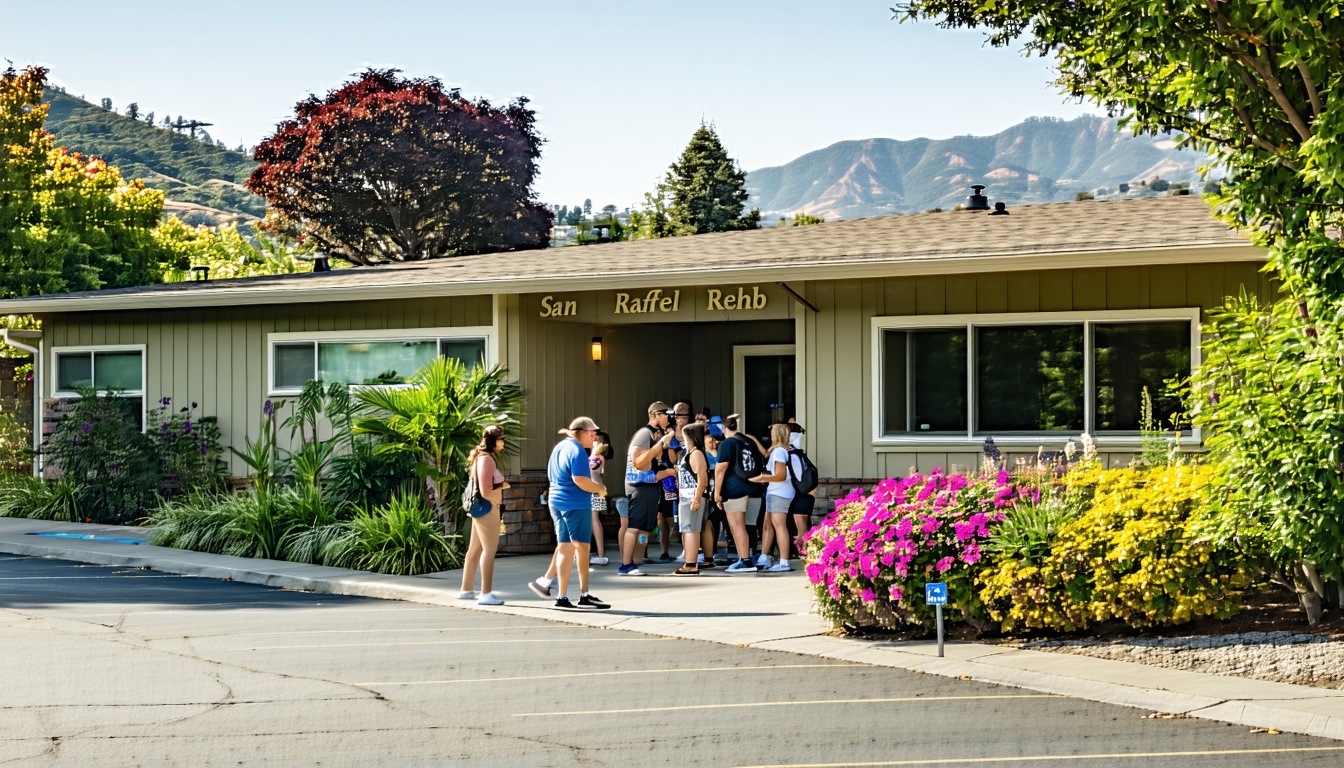
If you or someone you love displays these patterns or suffers from these health issues, it might be time to consider professional help. San Rafael Rehab offers residential treatment centers for substance use disorders designed to manage and mitigate the health risks associated with alcohol abuse.
Understanding these impacts and the resulting health effects can help you make informed decisions about whether rehab is the right step. Explore more about specific treatment programs available at alcohol rehab centers near me finding the right fit.
Signs of Alcohol Dependence
Recognizing the signs of alcohol dependence is crucial for determining if you or a loved one needs help. Understanding these signs can assist in making an informed decision about seeking the best treatment at San Rafael Rehab.
Behavioral Indicators
Behavioral changes are often the first signs of alcohol dependence. These can include:
- Drinking more or for longer than intended.
- Unsuccessful attempts to cut down or control drinking.
- Spending a lot of time obtaining, using, or recovering from alcohol use.
- Neglecting responsibilities at home, work, or school due to drinking.
- Continuing to drink despite knowing it’s causing problems in relationships.
- Giving up activities once enjoyed in favor of drinking.
Physical Symptoms
Physical symptoms can signify that alcohol dependence is taking a toll on the body. These can include:
- Withdrawal symptoms such as sweating, shaking, and nausea when not drinking.
- Building a tolerance, needing to drink more to achieve the same effect.
- Frequently drinking until blackout or vomiting.
- Developing liver problems or other health issues related to excessive drinking.
Mental Health Impact
Excessive alcohol use can have significant effects on mental health. According to the Mental Health Foundation, regular heavy drinking is linked to depression, anxiety, and even psychosis. Key mental health impacts include:
- Depression and feelings of hopelessness. Alcohol can exacerbate symptoms of depression, and many people see improvements within weeks of reducing alcohol consumption.
- Increased anxiety and using alcohol to cope. Alcohol might initially relieve anxiety but leads to dependence and worsening symptoms over time.
- Risk of psychosis in heavy drinkers, especially if they suddenly stop drinking.
- Heightened impulsivity and loss of inhibitions can lead to self-harm or suicidal actions. Heavy drinking is associated with suicidal thoughts and attempts.
If you notice these signs in yourself or a loved one, seeking help is crucial. Consider exploring options like San Rafael Rehab, which offers a range of treatment programs tailored to individual needs. For more information about recognizing the signs and choosing the right rehab, visit our detailed guide.
Importance of Seeking Help
Taking the step to seek help for alcohol dependence is a critical move toward recovery. Many individuals with Alcohol Use Disorder (AUD) might question, “do I need rehab for alcoholism key signs to watch for?” Recognizing the importance of receiving appropriate care can significantly impact the outcome of treatment.
Treatment Options Overview
Various treatment options are available to cater to individual needs. These options range from brief interventions to extensive residential stays (Mayo Clinic). Exploring these options helps in choosing the best fit for managing and overcoming alcohol dependence.
| Treatment Option | Description |
|---|---|
| Brief Intervention | Short sessions with a healthcare professional to discuss drinking and its risks. |
| Individual Counseling | One-on-one therapy sessions to address underlying issues and coping strategies. |
| Group Counseling | Sessions where individuals share experiences and support each other. |
| Outpatient Programs | Regular treatment sessions while the individual lives at home. |
| Residential Inpatient Stay | Intensive treatment in a controlled environment for severe cases (NIAAA). |
For those contemplating various options, check out our detailed guides on outpatient drug rehab near me flexible recovery options and inpatient drug rehab near me 24/7 care and support.
Benefits of Treatment Centers
Choosing a treatment center, such as San Rafael Rehab, provides a multitude of benefits aimed at facilitating successful recovery. Treatment centers offer a structured environment, professional support, and personalized care plans.
Structured Environment
The structured environment of a treatment center ensures that individuals adhere to a daily routine and avoid triggers that might lead to relapse. This approach helps in building a solid foundation for a sober lifestyle.
Professional Support
Treatment centers employ experienced medical professionals who provide round-the-clock care. This support is vital for managing withdrawal symptoms and addressing any co-occurring mental health issues. For more insights into the comprehensive support available, visit our article on dual diagnosis treatment addressing addiction and mental health.
| Benefit | Description |
|---|---|
| Structured Programs | Daily routines and activities to promote recovery. |
| Round-the-Clock Care | Medical supervision and support 24/7. |
| Personalized Treatment Plans | Tailored programs based on individual needs and health conditions. |
Improved Outcomes
Engaging in a residential treatment program often results in better long-term outcomes. The immersive environment allows individuals to focus solely on recovery without external distractions. San Rafael Rehab ensures a holistic approach to rehabilitation, encompassing medical support, therapy, and lifestyle changes.
For those interested in exploring more about residential treatment, read our comprehensive guide on residential treatment centers for substance use disorders.
Considering the various options and benefits, those asking, “do I need rehab for alcoholism key signs to watch for” should assess their situation and seek professional advice to determine the appropriate treatment pathway.
Choosing the Right Treatment Program
Selecting the appropriate treatment program is crucial for addressing alcohol dependency. Below are descriptions of the main types of treatment programs: inpatient treatment, outpatient programs, and intervention strategies.
Inpatient Treatment
Inpatient treatment is highly structured and offers comprehensive care for individuals with severe alcohol dependency. The controlled environment and 24/7 medical supervision make it ideal for those who may face severe withdrawal symptoms such as hallucinations, delirium, seizures, or even death (San Antonio Recovery Center).
| Feature | Description |
|---|---|
| Structure | Highly structured, 24/7 medical supervision |
| Ideal for | Severe alcohol dependency |
| Environment | Controlled with limited outside distractions |
| Duration | Varies, usually 30-90 days |
For more detailed insights on inpatient programs, take a look at inpatient drug rehab near me 24/7 care and support.
Outpatient Programs
Outpatient treatment offers flexibility for individuals who cannot commit to an inpatient program due to work, family, or other responsibilities. These programs typically involve several hours of treatment sessions per week and may include peer-led recovery groups and individual counseling (San Antonio Recovery Center).
| Feature | Description |
|---|---|
| Flexibility | Allows individuals to live at home |
| Time Commitment | Several hours per week, 3-6 days |
| Ideal for | Mild to moderate dependency |
| Elements | Group therapy, individual counseling |
Explore more about flexible recovery options in our article on outpatient drug rehab near me flexible recovery options.
Intervention Strategies
An intervention involves a structured conversation with a loved one about their alcohol or drug misuse. It is usually led by a professional and aims to motivate the individual to seek help. The intervention team generally includes family, friends, and a trained interventionist (Mayo Clinic).
| Step | Description |
|---|---|
| Planning | Prepare a detailed intervention plan |
| Team Selection | Involve family, friends, and professionals |
| Execution | Conduct the intervention in a safe and controlled setting |
| Follow-Up | Ensure immediate access to treatment options |
For more about intervention strategies, visit our section on intervention strategies.
Choosing the right treatment program is vital for successful recovery. For additional guidance, browse through helpful resources like drug rehab near me what to expect and how to choose or what’s the difference between inpatient and outpatient rehab.
Providing Support for Recovery
When battling Alcohol Use Disorder (AUD), providing robust support is essential for successful recovery. There are different strategies and treatments available, each catering to specific needs. Here, we discuss intervention team strategies, behavioral therapies, and medication-assisted treatments.
Intervention Team Strategies
Intervention teams play a crucial role in the recovery process by helping individuals understand the severity of their addiction and encouraging them to seek treatment. These teams usually consist of healthcare professionals, addiction specialists, and sometimes family members or close friends. Their main goal is to create a supportive environment and develop a comprehensive plan tailored to the individual’s needs.
Key strategies include:
- Conducting a thorough assessment to determine the level of addiction.
- Developing a personalized intervention plan.
- Providing continuous support and monitoring throughout the recovery journey.
- Facilitating a smooth transition into appropriate treatment programs (alcohol rehab centers near me finding the right fit).
Behavioral Therapies
Behavioral therapies are essential components of treatment for AUD. These therapies help individuals develop skills to avoid and overcome triggers that might lead to drinking, such as stress or emotional distress (NIAAA).
Popular behavioral therapies include:
- Cognitive-Behavioral Therapy (CBT): Focuses on identifying and changing negative thought patterns.
- Motivational Enhancement Therapy (MET): Enhances motivation to change drinking behavior.
- Contingency Management: Uses positive reinforcement to encourage abstinence.
Behavioral therapies are effective either as stand-alone treatments or in combination with medications. To explore more about these therapies, visit residential treatment centers for substance use disorders.
Medication-Assisted Treatment
Medication-assisted treatment (MAT) is a proven approach for those struggling with AUD. Three medications are currently approved by the U.S. Food and Drug Administration to help individuals stop or reduce their drinking and prevent relapse: naltrexone, acamprosate, and disulfiram (NIAAA).
| Medication | Description |
|---|---|
| Naltrexone | Available in oral and long-acting injectable forms, it reduces the urge to drink. |
| Acamprosate | Helps maintain abstinence once drinking has stopped, reducing symptoms like insomnia and anxiety. |
| Disulfiram | Causes unpleasant reactions when alcohol is consumed, deterring individuals from drinking. |
These medications are non-addictive and can be used alone or in combination with other treatment methods like behavioral therapies and mutual-support groups. For more information on effective treatment programs, check out drug rehab near me what to expect and how to choose.
Supporting someone in their recovery journey involves a blend of interventions, therapies, and medications. By understanding these strategies, you can make informed decisions and find the most suitable approach for overcoming alcohol use disorder. For additional resources on outpatient options, visit outpatient drug rehab near me flexible recovery options.
Overcoming Alcohol Use Disorder
Medication Options
Three medications are currently approved by the U.S. Food and Drug Administration to help people reduce or stop their drinking and prevent a return to alcohol use: naltrexone, acamprosate, and disulfiram (NIAAA).
- Naltrexone: Available in both oral and long-acting injectable forms, naltrexone works by blocking the euphoric effects of alcohol. This helps to reduce cravings and deter continued drinking.
- Acamprosate: This medication helps to manage alcohol cravings after an individual has stopped drinking. It is particularly useful in maintaining abstinence.
- Disulfiram: When taken orally, disulfiram causes a severe physical reaction if alcohol is consumed, helping to deter drinking.
| Medication | Primary Use | Administration Form |
|---|---|---|
| Naltrexone | Reduces cravings, blocks euphoric effects | Oral, Injectable |
| Acamprosate | Manages cravings, supports abstinence | Oral |
| Disulfiram | Deterrent effect by causing severe reaction | Oral |
It’s essential to use these medications under the guidance of a healthcare professional. They can be paired with behavioral therapies and support groups for more effective outcomes.
Support Groups
Support groups are crucial for individuals dealing with alcohol use disorder. They offer a sense of community, shared experiences, and practical strategies for maintaining sobriety (Mayo Clinic).
- Alcoholics Anonymous (AA): One of the most well-known support groups, AA uses a 12-step program to assist individuals in their recovery journey.
- SMART Recovery: Focuses on self-empowerment and teaches practical skills for managing addictive behaviors.
- Women for Sobriety: A group specifically for women, offering mutual support and encouragement.
| Support Group | Focus | Approach |
|---|---|---|
| Alcoholics Anonymous (AA) | 12-step recovery program | Group meetings, sponsorship |
| SMART Recovery | Self-empowerment, practical skills | Group and online meetings |
| Women for Sobriety | Female-focused, mutual support | Group meetings, peer support |
Support groups can be an integral part of a treatment program, providing accountability and continuous encouragement. Learn more about finding the right rehab for alcoholics near you.
Holistic Recovery Approaches
Holistic recovery approaches address the whole person—body, mind, and spirit. These methods can enhance traditional treatments and provide comprehensive care.
- Mindfulness and Meditation: Techniques like yoga and meditation help in reducing stress and improving mental clarity.
- Nutritional Therapy: Proper nutrition supports overall health and can counteract the negative effects of alcohol abuse.
- Exercise Programs: Regular physical activity aids in reducing stress and improving mood.
Holistic approaches are increasingly becoming a part of residential treatment centers for substance use disorders, offering a balanced and supportive environment for recovery.
Integrating medication, support groups, and holistic methods can create a robust framework for overcoming alcohol use disorder. For professional guidance, consider exploring top alcohol rehab facilities near me for private recovery, ensuring a supportive and comprehensive path to sobriety.